


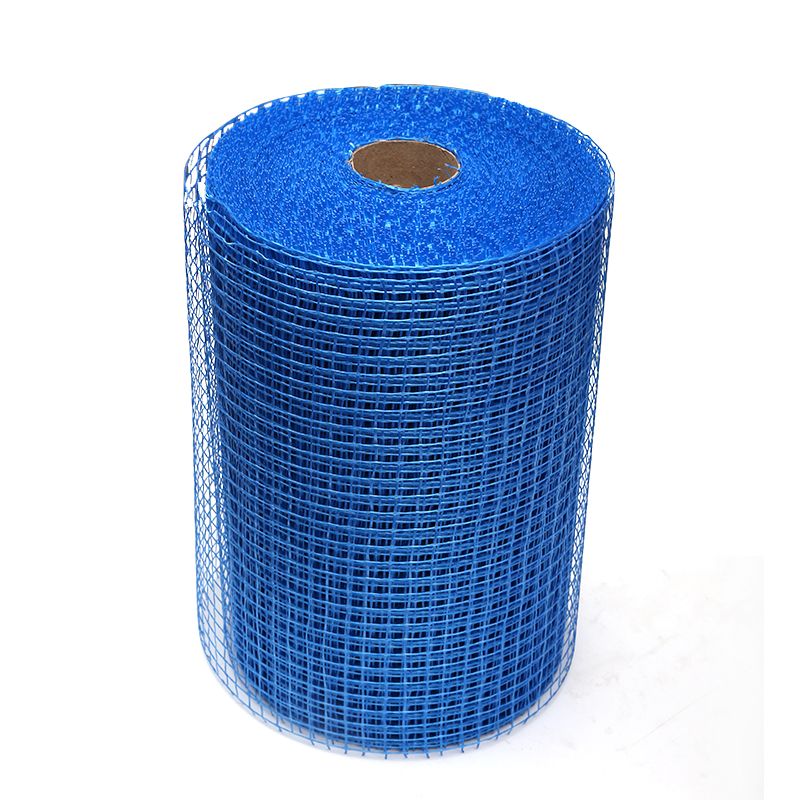
Exterior Wall Insulation Mesh
Danyang Yonggu Building Materials Co., Ltd. is one of the most reliable manufacturers and suppliers of exterior wall insulation mesh in China. With abundant experience, we warmly welcome you to wholesale bulk exterior wall insulation mesh made in China here from our factory. All customized products are with high quality and competitive price.
Product Description
Exterior Wall Insulation Mesh plays an important role in modern exterior insulation systems. Contractors use it to reinforce insulation layers, improve surface stability, and reduce the risk of cracking in rendered facades. Depending on project requirements, different reinforcement materials may be selected, including alkali-resistant fiberglass mesh, hot-dip galvanized steel wire mesh, and galvanized welded wire mesh.
Among these options, exterior wall insulation mesh has become one of the most commonly specified materials for ETICS and EIFS applications. From our experience, insulation boards alone cannot effectively accommodate all the stresses that develop within an exterior wall system. Temperature fluctuations, substrate movement, curing shrinkage, and wind loads continuously affect the facade throughout its service life. A properly selected reinforcement mesh helps the system respond to these stresses more effectively.
For this reason, reinforcement mesh is now widely incorporated into residential towers, commercial buildings, public facilities, and energy-efficiency renovation projects.
Working Principle
Exterior insulation systems experience movement almost every day. Walls expand under direct sunlight. They contract when temperatures drop. Cement-based mortars also shrink during curing.
In practice, these small movements create tensile stress inside the render layer. The stress rarely distributes evenly. It usually accumulates around corners, window openings, construction joints, and transitions between different materials.
When installers embed reinforcement mesh into fresh mortar, the mesh forms a continuous reinforcing framework throughout the insulation system. The grid structure spreads tensile loads over a wider area and reduces stress concentration. As a result, the render layer becomes less vulnerable to cracking and surface damage.
Another factor often overlooked is the interaction between reinforcement materials and cement mortar. Cement creates a highly alkaline environment. Without adequate protection, some reinforcement materials gradually deteriorate. Alkali-resistant fiberglass mesh addresses this issue through a specialized coating that protects the glass fibers and helps preserve their mechanical performance over time.

Key Features
- Fire Performance:Building envelopes increasingly face stricter fire-safety requirements. Depending on the system design and material selection, exterior wall insulation mesh can contribute to the overall fire performance of the facade assembly. Fiberglass itself is an inorganic material and does not support combustion.
- Resistance to Weather Exposure:Exterior walls remain exposed to changing environmental conditions throughout the year. Rain, UV radiation, humidity, freeze-thaw cycles, and seasonal temperature shifts all place stress on facade materials. A properly manufactured exterior wall insulation mesh maintains its reinforcing function under these conditions and supports long-term system durability.
- Mechanical Strength and Durability:Construction sites often expose materials to handling damage, impact, and abrasion. During the service life of the building, exterior walls may encounter accidental impacts and structural movement. Reinforcement mesh helps the render layer withstand these conditions more effectively.
- Installation Efficiency:From a contractor's perspective, ease of handling matters. Lightweight mesh rolls simplify transportation, cutting, and placement on site. Installers can quickly adapt the material to corners, edges, and irregular facade details without significantly increasing labor requirements.
-
Contribution to Energy-Efficient Construction:Although the mesh itself does not provide thermal insulation, it supports the integrity of the insulation system. By helping maintain a stable and crack-resistant facade, it contributes to the long-term effectiveness of the building envelope and supports energy-saving objectives.
Applications
- External Thermal Insulation Systems:This remains the most common application. Reinforcement mesh is embedded into the base coat covering EPS, XPS, mineral wool, and other insulation boards. The mesh strengthens the render layer and improves crack resistance throughout the system.
- Energy-Efficiency Retrofit Projects:Many older buildings undergo thermal performance upgrades to meet modern energy standards. From our experience, existing facades often contain minor cracks, substrate irregularities, and localized weaknesses. Reinforcement mesh helps stabilize these surfaces before the installation of new insulation layers.
- High-Impact Areas:Ground-floor sections, pedestrian zones, school buildings, and public facilities often require additional protection. In these areas, contractors frequently specify heavier mesh weights or multi-layer reinforcement systems to improve resistance to accidental impact and vandalism.
- Architectural Features and Decorative Elements:Complex facade details create additional stress concentrations. Window reveals, cornices, decorative moldings, and architectural projections often benefit from localized reinforcement. Mesh helps maintain dimensional stability and reduces the likelihood of cracking around these features.

Customization Capabilities
- Different projects place different demands on reinforcement materials. For this reason, standard specifications do not always provide the best solution.
- Weight selection can be adjusted according to project requirements. Common options range from 110 g/m² to 160 g/m², while heavier constructions are available for high-impact applications.
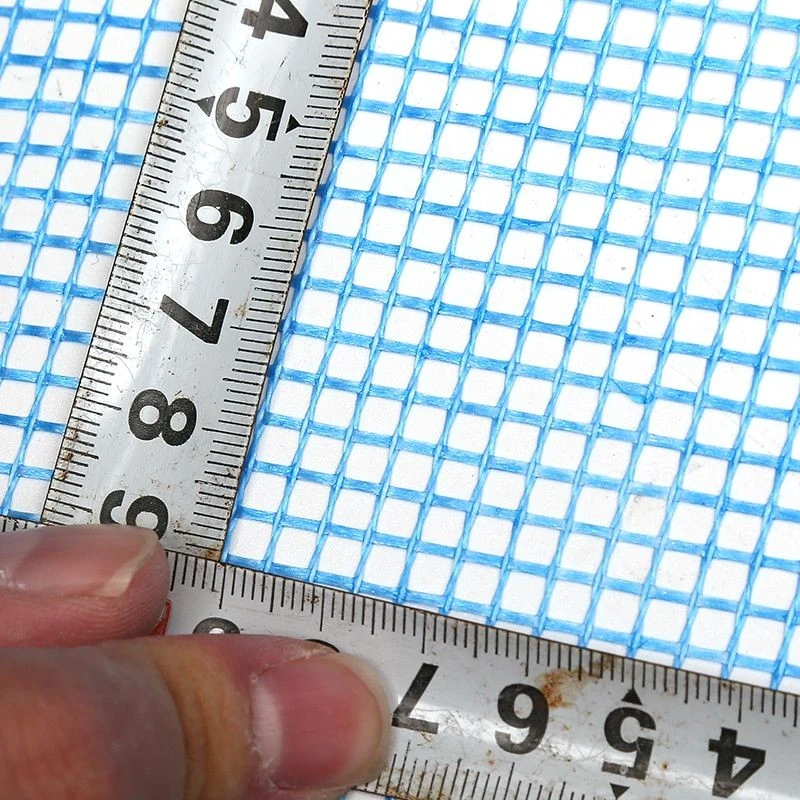
- Mesh opening size can also be modified. Different grid dimensions may perform better with specific mortar formulations, coating thicknesses, and installation methods.
- Roll width and roll length often influence installation efficiency. We regularly customize dimensions to reduce waste on site and simplify handling during construction.
-
Color customization is another option. While white remains the most common choice, many contractors and system suppliers request alternative colors for product identification, project management, or quality-control purposes.
Hot Tags: exterior wall insulation mesh, China exterior wall insulation mesh manufacturers, suppliers, factory
You Might Also Like


Send Inquiry