


How do I make fiberglass tissue more tear - resistant?
Sep 16, 2026
Leave a message
Hey there! I'm a supplier of fiberglass tissue, and I often get asked how to make fiberglass tissue more tear - resistant. It's a crucial question, especially for industries that rely on the durability of this material. In this blog, I'll share some insights and strategies based on my experience in the field.
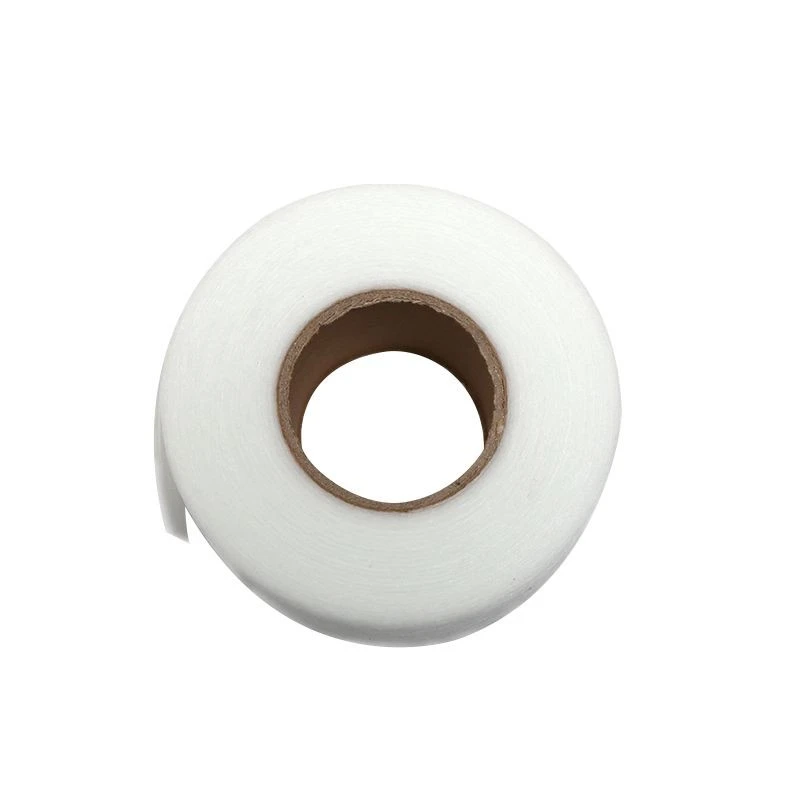
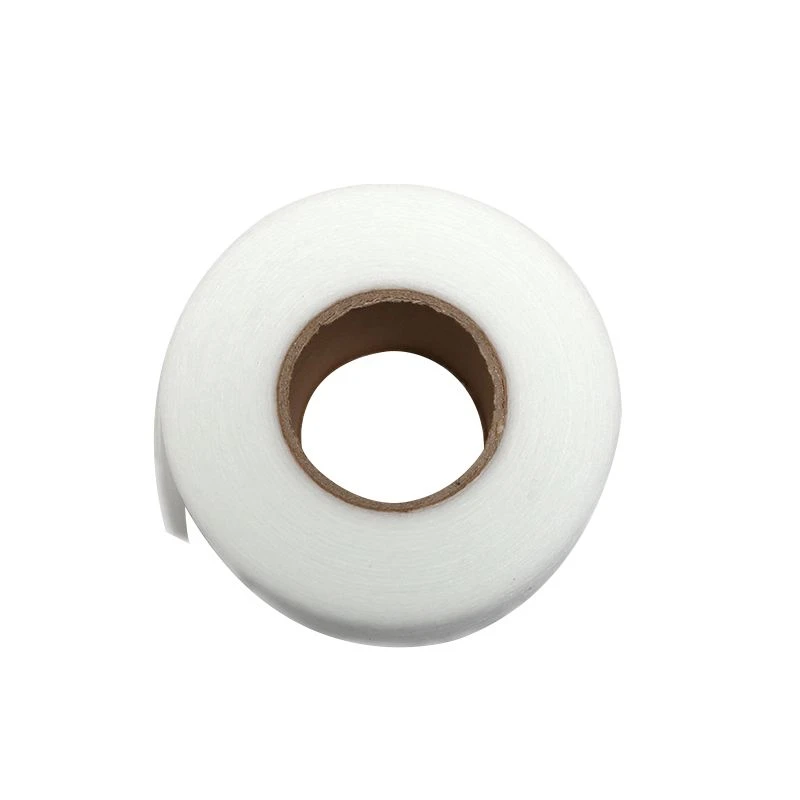
First off, let's understand what fiberglass tissue is. Fiberglass tissue is a lightweight, non - woven material made from fine glass fibers. It has a wide range of applications, from automotive parts to construction materials, and even in some high - tech industries. But one of the common issues users face is its susceptibility to tearing, which can compromise its performance and longevity.
Understanding the Structure of Fiberglass Tissue
To make fiberglass tissue more tear - resistant, we need to start by understanding its structure. The glass fibers in the tissue are randomly arranged and held together by a binder. The quality and type of these fibers, as well as the binder, play a significant role in determining the tear resistance.
The diameter of the glass fibers matters a lot. Generally, thicker fibers tend to be stronger and more resistant to tearing. When we're producing fiberglass tissue, we can adjust the manufacturing process to use fibers with a larger diameter. However, we also need to consider other factors like the overall weight and flexibility of the tissue. A balance must be struck to ensure that the tissue still meets the requirements of its intended use.
The binder is another crucial component. It holds the fibers together and gives the tissue its shape and integrity. A high - quality binder can significantly improve the tear resistance. We've been experimenting with different types of binders, and some of the newer synthetic binders have shown great promise. They not only provide better adhesion between the fibers but also have properties that enhance the overall strength of the tissue.
Improving the Manufacturing Process
The manufacturing process of fiberglass tissue can be optimized to increase tear resistance. One way is to use a more uniform distribution of fibers. When the fibers are evenly spread out, the stress is more evenly distributed across the tissue, reducing the likelihood of tearing at weak points.
We've also found that adding more fibers to the mix during production can boost tear resistance. However, this needs to be done carefully to avoid making the tissue too thick or heavy. We use advanced machinery to precisely control the amount of fibers added and ensure a consistent quality.
Another aspect of the manufacturing process is the curing of the binder. Proper curing is essential for the binder to achieve its maximum strength. We've adjusted the curing time and temperature in our production line to ensure that the binder sets properly, resulting in a more tear - resistant fiberglass tissue.
Surface Treatments
Surface treatments can be an effective way to enhance the tear resistance of fiberglass tissue. One common treatment is applying a coating to the surface of the tissue. There are various types of coatings available, such as epoxy coatings and polyurethane coatings.
Epoxy coatings are known for their high strength and adhesion. When applied to fiberglass tissue, they form a protective layer that can prevent tears from propagating. Polyurethane coatings, on the other hand, offer good flexibility and abrasion resistance, which can also contribute to better tear resistance.
We've also been exploring the use of nanocoatings. Nanocoatings can provide a very thin but extremely strong layer on the surface of the tissue. They can fill in the small gaps between the fibers and improve the overall integrity of the material. Although nanocoatings are still relatively new in the field of fiberglass tissue, the early results are quite promising.
Combining Different Fiberglass Products
Sometimes, combining different types of fiberglass products can lead to a more tear - resistant material. For example, we can layer Fiberglass Surface Mat with our regular fiberglass tissue. The surface mat has a different structure and can provide additional reinforcement.
Fiberglass Surface Tissue can also be used in combination with other layers. It has a finer texture and can be used to create a more durable outer layer. The combination of different types of fiberglass products can help distribute the stress more effectively and reduce the risk of tearing.
Alkali Resistant Fiberglass Tissue is another option. It is designed to resist the effects of alkaline environments, which can sometimes weaken the fibers in regular fiberglass tissue. By using alkali - resistant fiberglass tissue, we can ensure that the overall material remains strong and tear - resistant even in harsh conditions.
Testing and Quality Control
No matter what methods we use to improve tear resistance, testing and quality control are essential. We conduct regular tear tests on our fiberglass tissue samples to monitor the effectiveness of our strategies. These tests involve applying a controlled amount of force to the tissue and measuring the amount of tear.
We also have a strict quality control system in place. Every batch of fiberglass tissue is inspected to ensure that it meets our standards for tear resistance and other properties. If a batch doesn't meet the requirements, we'll go back and analyze the production process to identify the problem and make the necessary adjustments.
Conclusion
Making fiberglass tissue more tear - resistant is a multi - faceted challenge. It involves understanding the structure of the material, optimizing the manufacturing process, using surface treatments, combining different products, and implementing rigorous testing and quality control measures.
As a supplier, we're constantly researching and developing new ways to improve the tear resistance of our fiberglass tissue. We believe that by providing high - quality, tear - resistant fiberglass tissue, we can better meet the needs of our customers in various industries.
If you're interested in our fiberglass tissue products or have any questions about making them more tear - resistant, feel free to reach out. We'd be happy to have a discussion and see how we can work together to find the best solutions for your specific requirements.
References
- "Glass Fibers and Their Applications" by some well - known author in the field.
- Industry reports on fiberglass materials and their properties.
Send Inquiry