


How does the surface finish of glass fiber thread affect its performance?
Aug 18, 2026
Leave a message
The surface finish of glass fiber thread plays a crucial role in determining its performance across various applications. As a dedicated Glass Fiber Thread [/fiberglass-yarn/glass-fiber-thread.html] supplier, I've witnessed firsthand how different surface finishes can transform the capabilities of these fibers. In this blog, we'll delve into the science behind surface finishes and explore their profound impact on the performance of glass fiber threads.
Understanding Surface Finish
The surface finish of glass fiber thread refers to the treatment applied to the outer layer of the fiber. This treatment can range from simple coatings to complex chemical modifications, each designed to enhance specific properties of the fiber. The primary purpose of surface finishing is to improve the fiber's compatibility with other materials, protect it from environmental factors, and enhance its overall performance.
Impact on Mechanical Performance
One of the most significant ways surface finish affects glass fiber thread is through its impact on mechanical performance. A well - chosen surface finish can improve the fiber's strength, stiffness, and resistance to abrasion. For example, a coating that enhances the interfacial adhesion between the glass fiber and the matrix material in a composite can significantly improve the overall strength of the composite.
When the surface finish promotes better bonding, the load transfer between the fiber and the matrix is more efficient. This means that the composite can withstand higher stresses without failure. In applications where high mechanical strength is required, such as in aerospace and automotive industries, a proper surface finish can be the difference between a successful product and one that fails under stress.
Moreover, surface finishes can also improve the abrasion resistance of glass fiber threads. In applications where the fibers are subject to rubbing or friction, such as in textile manufacturing or cable reinforcement, a hard - wearing surface finish can prevent the fibers from fraying or breaking. This not only extends the lifespan of the product but also maintains its performance over time.
Influence on Chemical Resistance
The chemical environment in which glass fiber threads operate can have a significant impact on their performance. Surface finishes can be used to enhance the chemical resistance of the fibers, protecting them from corrosion, degradation, and other chemical attacks.
For instance, in applications where the fibers are exposed to alkaline substances, an Alkali Resistant Mesh Yarn with a specialized surface finish can withstand the corrosive effects of the alkaline environment. This is particularly important in construction applications, such as in the reinforcement of concrete structures. The surface finish acts as a barrier, preventing the alkaline substances in the concrete from attacking the glass fibers and compromising their strength.
Similarly, in environments where the fibers are exposed to acids or other aggressive chemicals, a surface finish can be selected to provide the necessary chemical resistance. This ensures that the glass fiber threads maintain their integrity and performance, even in harsh chemical conditions.
Effect on Thermal Performance
Surface finishes can also influence the thermal performance of glass fiber threads. In some applications, such as in insulation materials or high - temperature environments, the ability of the fibers to withstand heat is crucial.
A surface finish can act as a thermal barrier, reducing the heat transfer rate through the fiber. This can help in maintaining the temperature stability of the product and protecting it from overheating. For example, in fire - resistant insulation materials, a surface finish with good thermal insulation properties can prevent the spread of heat and flames, providing an additional layer of safety.
On the other hand, in some cases, a surface finish can be designed to enhance the thermal conductivity of the glass fiber threads. This is useful in applications where heat dissipation is required, such as in electronic devices. By improving the thermal conductivity, the surface finish helps in quickly transferring heat away from sensitive components, preventing overheating and ensuring the proper functioning of the device.
Impact on Wetting and Dispersion
When glass fiber threads are used in composite materials, their ability to wet out and disperse evenly in the matrix is essential for achieving optimal performance. The surface finish can have a significant impact on these properties.
A surface finish that improves the wettability of the glass fiber threads allows the matrix material to spread evenly over the fiber surface. This results in better adhesion between the fiber and the matrix, which in turn improves the mechanical properties of the composite. Additionally, a surface finish that promotes good dispersion ensures that the fibers are uniformly distributed throughout the matrix, preventing the formation of weak spots in the composite.
In applications where the glass fiber threads are used in a liquid matrix, such as in a resin - based composite, the surface finish can be tailored to ensure that the fibers remain suspended and do not agglomerate. This is crucial for maintaining the consistency and quality of the composite material.
Different Types of Surface Finishes and Their Applications
There are several types of surface finishes available for glass fiber threads, each with its own unique properties and applications.
- Silane - based finishes: Silane compounds are commonly used as surface finishes for glass fiber threads. They react with the glass surface to form a strong bond, and they can also be functionalized to improve the compatibility with different matrix materials. Silane - based finishes are widely used in composite applications, such as Fiberglass Mesh Yarn reinforcement, where they enhance the mechanical properties of the composite by improving the fiber - matrix adhesion.
- Epoxy - based finishes: Epoxy resins are known for their excellent adhesion and chemical resistance. Epoxy - based surface finishes can provide a protective coating for glass fiber threads, enhancing their resistance to chemicals and improving their mechanical strength. They are often used in applications where the fibers are exposed to harsh environments, such as in marine or industrial applications.
- Polyester - based finishes: Polyester finishes are cost - effective and offer good abrasion resistance. They are commonly used in textile applications, such as in the production of Fiberglass Yarn for EIFS Mesh, where they provide the necessary durability and flexibility.
Selecting the Right Surface Finish
Selecting the appropriate surface finish for glass fiber threads depends on several factors, including the application, the matrix material, and the environmental conditions. It is essential to consider the specific requirements of the end - product and choose a surface finish that can meet those requirements.
For example, if the application requires high mechanical strength and chemical resistance, a silane - based or epoxy - based surface finish may be suitable. If the focus is on cost - effectiveness and abrasion resistance, a polyester - based finish might be a better choice.
As a Glass Fiber Thread supplier, I can offer expert advice on selecting the right surface finish for your specific needs. I have extensive experience in working with different types of surface finishes and can help you find the optimal solution for your application.
Conclusion
In conclusion, the surface finish of glass fiber thread has a profound impact on its performance in various applications. From mechanical strength and chemical resistance to thermal performance and wetting properties, the surface finish can be tailored to meet the specific requirements of the end - product.
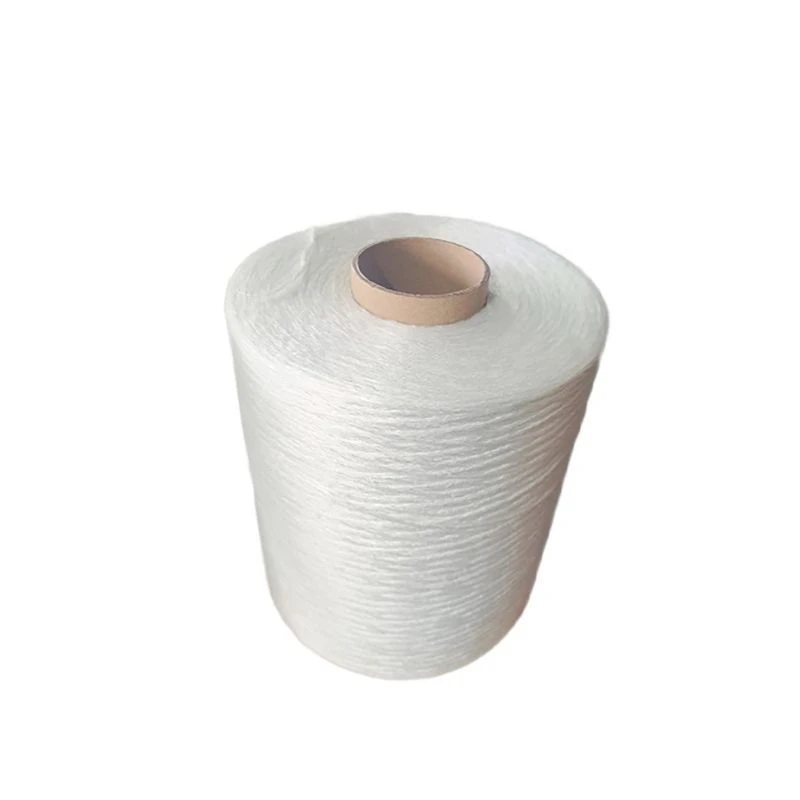
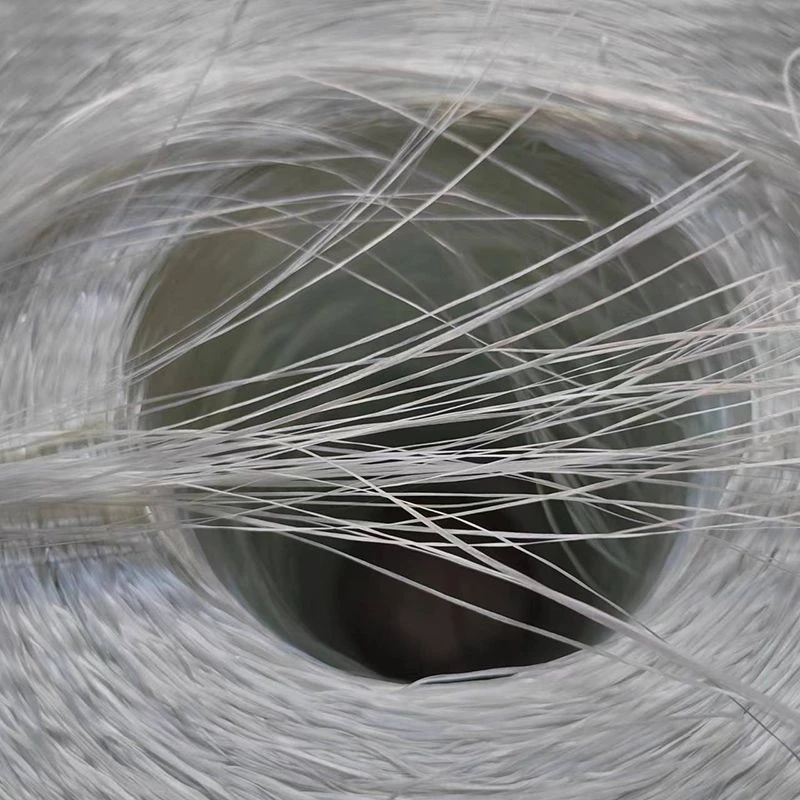
As a supplier, I am committed to providing high - quality Glass Fiber Threads with the right surface finishes to ensure optimal performance. Whether you are in the aerospace, automotive, construction, or textile industry, we have the expertise and products to meet your needs.
If you are interested in learning more about our Glass Fiber Threads or would like to discuss your specific requirements, please feel free to contact us. We look forward to the opportunity to work with you and provide the best solutions for your applications.
References
- Callister, W. D., & Rethwisch, D. G. (2010). Materials Science and Engineering: An Introduction. Wiley.
- Strong, A. B. (2008). Plastics Materials and Processing. Pearson Prentice Hall.
Send Inquiry