


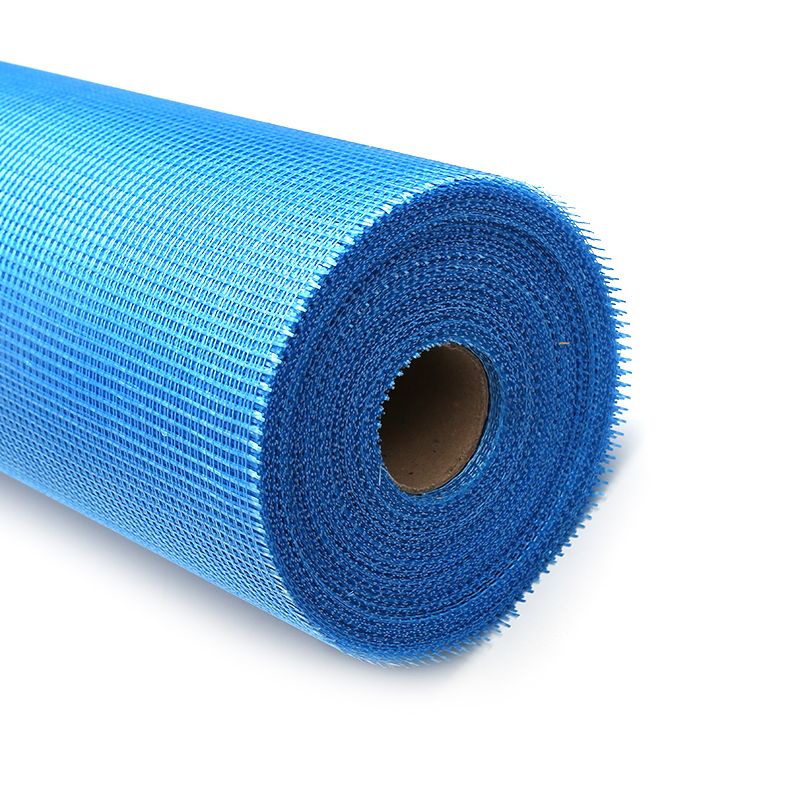
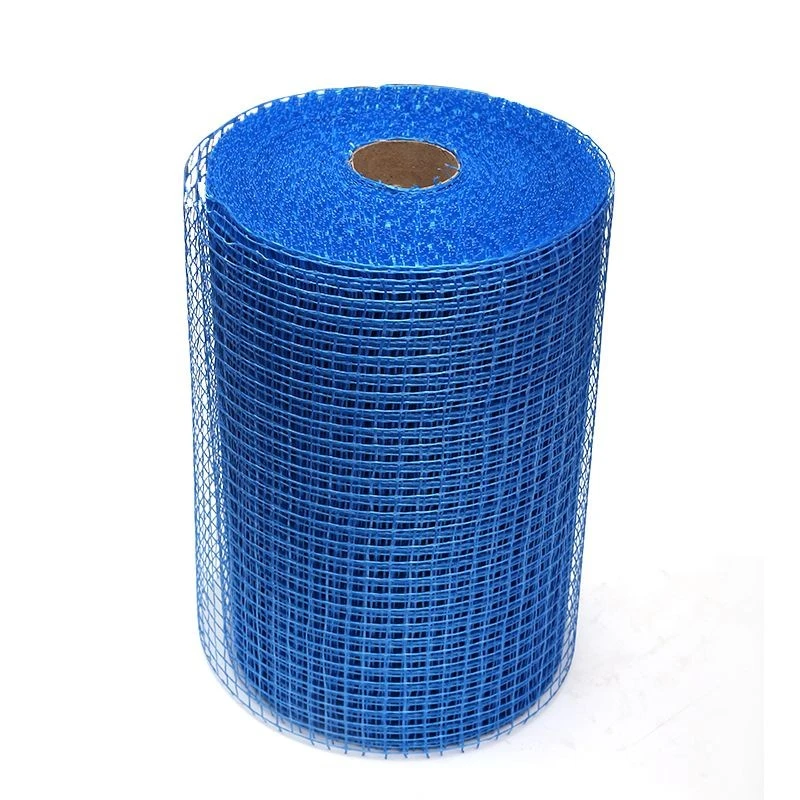
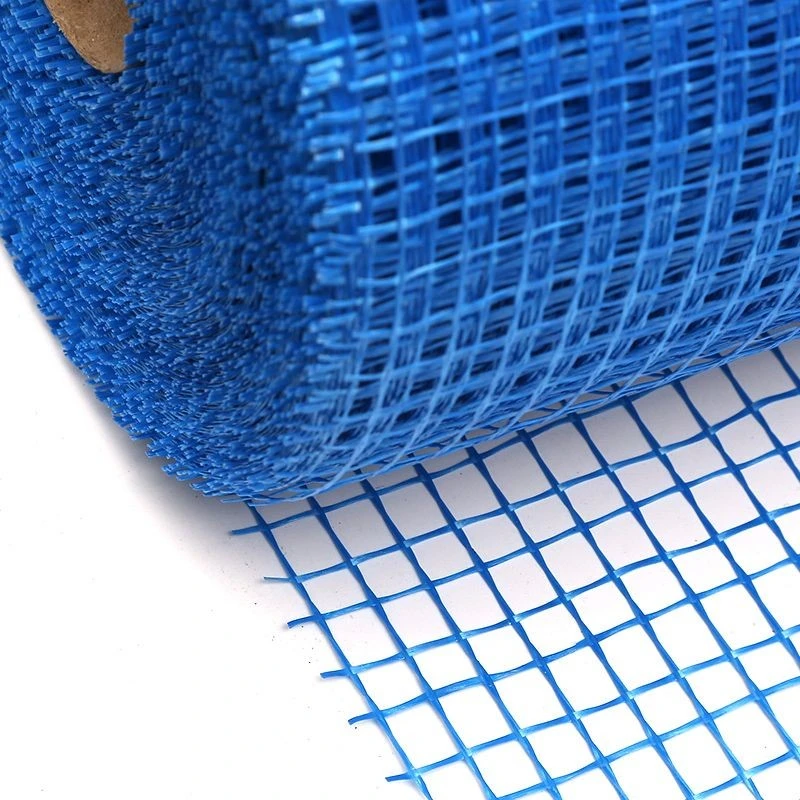
Alkali Resistant Exterior Mesh
Danyang Yonggu Building Materials Co., Ltd. is one of the most reliable manufacturers and suppliers of alkali resistant exterior mesh in China. With abundant experience, we warmly welcome you to wholesale bulk alkali resistant exterior mesh made in China here from our factory. All customized products are with high quality and competitive price.
Product Description
Alkali Resistant Exterior Mesh is used in exterior rendering systems, insulation assemblies, facade renovation projects, and cement-based reinforcement applications. The alkali resistant exterior mesh is woven from medium-alkali or alkali-free fiberglass yarns containing zirconium dioxide (ZrO₂) and titanium dioxide (TiO₂). After weaving, the fabric receives an alkali-resistant polymer treatment based on acrylic copolymer technology.
Exterior wall systems operate under a combination of thermal movement, moisture variation, substrate deformation, and weather exposure. These conditions generate tensile stresses within render layers and protective coatings. Cement-based materials provide compressive strength but exhibit limited resistance to tensile strain. Reinforcement within the render layer alters stress distribution and influences crack development throughout the service life of the facade.
Working Principle
The alkaline environment created by cement mortar presents a long-term durability challenge for reinforcement materials. Conventional glass fibers gradually lose strength under alkaline exposure. Metallic reinforcement introduces corrosion mechanisms when moisture reaches the substrate.
Alkali-resistant fiberglass relies on both material composition and surface protection. Zirconium-containing glass fibers exhibit increased resistance to alkaline attack, while the polymer coating limits direct contact between the fiber surface and the surrounding cement matrix.
Once incorporated into the render layer, the woven structure becomes part of the cementitious system. Tensile stresses generated by drying shrinkage, thermal cycling, moisture movement, and minor structural displacement transfer through the reinforcement network. The mesh distributes these stresses through multiple intersections rather than allowing concentration at isolated locations.
Repeated heating and cooling cycles create an additional source of movement. Exterior facades may experience thousands of expansion-contraction cycles during their service life. Reinforcement continuity within the render layer reduces localized strain accumulation and limits progressive crack formation.

Characteristics
-
The reinforcement network introduces tensile resistance into cement-based layers where tensile capacity remains limited.
-
Zirconium-modified glass fibers maintain stability under prolonged alkaline exposure.
-
The polymer coating protects the fiber surface and preserves reinforcement integrity within cementitious environments.
-
Fiberglass reinforcement eliminates corrosion mechanisms associated with metallic mesh products.
-
Uniform mesh geometry creates continuous load-transfer paths throughout the reinforced layer and influences crack distribution within the surrounding matrix.
Applications
-
EIFS and ETICS Systems:Reinforcement is positioned within the base coat layer between insulation boards and finishing materials. Thermal movement, differential expansion, and substrate stress concentrate within this zone.
-
Exterior Rendering and Plastering:Brick masonry, concrete walls, aerated blocks, and mixed substrates generate different movement patterns. Reinforcement within the render layer accommodates these differential movements and restricts surface crack development.
-
Facade Refurbishment:Existing cracks frequently indicate stress accumulation rather than isolated surface defects. Renovation systems incorporate reinforcement before applying new render or finishing materials to stabilize the substrate.
-
Waterproofing and Roofing Assemblies:Thermal cycling, moisture exposure, and substrate movement influence the long-term behavior of waterproofing systems. Reinforcement layers form part of the composite assembly and affect crack propagation within waterproof membranes and coatings.
-
GRC Components and Architectural Profiles:Cornices, decorative moldings, facade profiles, and glass fiber reinforced concrete elements require reinforcement capable of maintaining stability under exterior exposure conditions. Alkali resistant exterior mesh forms part of the internal reinforcement structure within these components.

Product Structure
The alkali resistant exterior mesh combines three functional components within a single reinforcement system.
Fiberglass yarn provides the structural framework and tensile reinforcement. The alkali-resistant coating protects the fiber surface against chemical degradation. The woven geometry establishes a continuous network of load-transfer points throughout the reinforced layer.
The interaction between these components determines long-term performance in environments where cementitious materials, weather exposure, moisture variation, and thermal movement occur simultaneously.

Hot Tags: alkali resistant exterior mesh, China alkali resistant exterior mesh manufacturers, suppliers, factory
You Might Also Like


Send Inquiry