


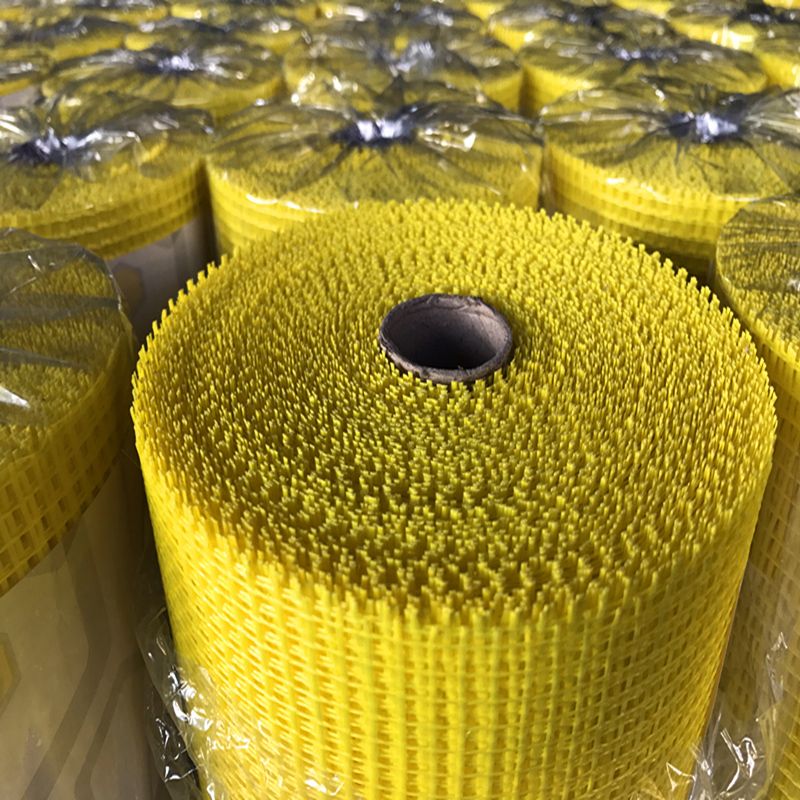
High Tensile Fiberglass Mesh
Danyang Yonggu Building Materials Co., Ltd. is one of the most reliable manufacturers and suppliers of high tensile fiberglass mesh in China. With abundant experience, we warmly welcome you to wholesale bulk high tensile fiberglass mesh made in China here from our factory. All customized products are with high quality and competitive price.
Product Description
High tensile fiberglass mesh is used in cement-based systems where tensile stress, shrinkage, and crack development influence long-term performance. We manufacture the mesh from medium-alkali or alkali-free fiberglass yarns and apply an alkali-resistant polymer coating after weaving. This treatment allows the reinforcement layer to remain compatible with cementitious materials throughout extended service periods.
Cement, mortar, and plaster exhibit strong compressive capacity but respond differently under tension. During curing, materials lose moisture and undergo volume changes. Seasonal temperature fluctuations introduce additional movement. Structural settlement and substrate displacement can further alter stress distribution within the system.
Under these conditions, stresses do not accumulate uniformly. Certain areas become more vulnerable than others. Reinforcement mesh introduces a continuous network within the mortar layer and changes how these forces travel through the structure. Once embedded, the mesh works together with the surrounding material rather than functioning as an independent component.
Working Principle
Dimensional change is inherent to cement-based materials. Hydration, drying, temperature variation, and moisture fluctuation all contribute to movement throughout the service life of the structure.
Stress concentrations frequently develop around openings, corners, construction joints, and transitions between dissimilar materials. These locations often become the starting points for crack formation.
High tensile fiberglass mesh creates numerous connection points within the mortar matrix. As tensile stress develops, loads transfer through the reinforcement network and spread across a larger area of the substrate. This redistribution reduces the likelihood of excessive stress accumulating at individual locations.
Crack formation rarely begins as a visible defect. Microcracks typically appear first within the material structure. Continued movement may extend these cracks and gradually connect separate damaged zones. Reinforcement across potential crack paths limits this progression and reduces the rate at which cracks develop.
The coating system performs a separate function. Cement-based materials remain highly alkaline for much of their service life. Direct contact with this environment can affect untreated glass fibers. The polymer coating acts as a protective barrier and preserves the integrity of the reinforcement network under alkaline exposure.

Characteristics
- The woven grid introduces tensile reinforcement into mortar, render, and cement-based coating systems.
-
The reinforcement network redistributes stresses that arise from shrinkage, thermal movement, and substrate displacement.
-
Fiberglass yarn maintains dimensional stability under normal service conditions and remains compatible with a wide range of cementitious materials.
-
Unlike metallic reinforcement products, fiberglass does not develop corrosion when exposed to moisture.
-
The material integrates into insulation base coats, waterproofing systems, rendering layers, flooring compounds, and similar cement-based applications without altering standard construction procedures.
Technical Parameters
- Brand:Yonggu
-
Color:White as standard; other colors available upon request
-
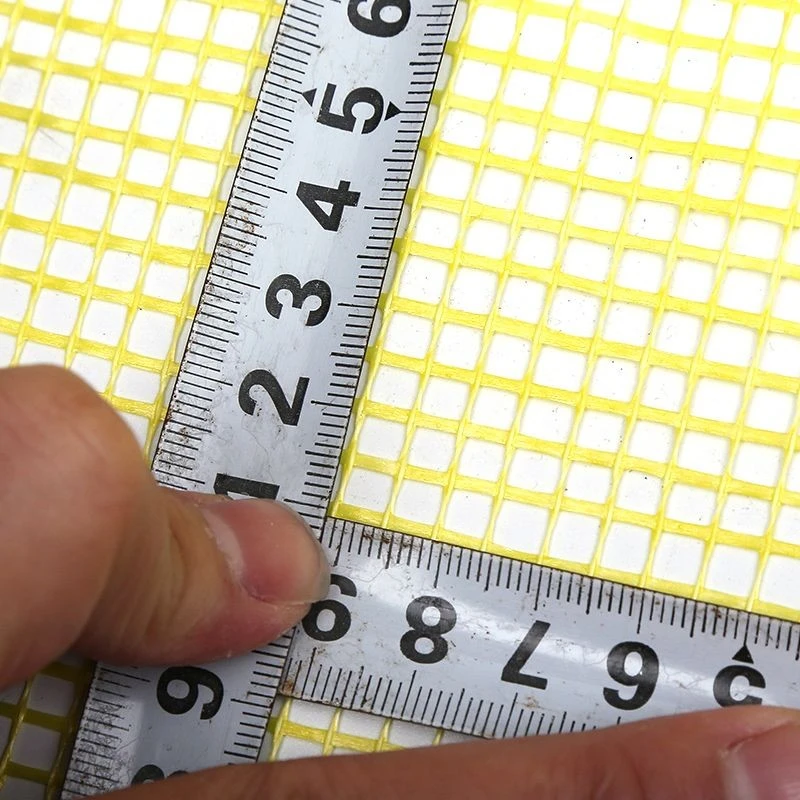
Mesh Size:2.85 mm, 3.2 mm, and other specifications
-
Weight:50–70 gsm
-
Roll Length:45 m, 90 m, 153 m, or customized lengths
-
Width:50 mm, 100 mm, and other dimensions
-
Material:Medium-alkali fiberglass twisted yarn
-
Coating:Modified acrylic copolymer emulsion with water-based pressure-sensitive adhesive
-
Packaging:PVC shrink-wrapped and packed individually in cartons
-
Customization:Production according to customer drawings, samples, or project specifications

Applications
- Exterior Wall Insulation Systems:Insulation assemblies experience repeated expansion and contraction as temperatures change throughout the year. Differences in movement between insulation boards, base coats, and finish layers can generate localized stress. Reinforcement mesh is positioned within the base coat where these stresses commonly occur.
- Rendering and Plaster Systems:Fresh render shrinks during curing. Environmental exposure continues to influence the material after installation. The reinforcement network distributes stress within the render layer and reduces localized crack formation.
-
Roof Waterproofing Systems:Waterproofing layers are exposed to daily thermal cycling and structural movement. Fiberglass mesh is often incorporated into composite waterproofing assemblies where reinforcement across potential crack zones is required.
-
Floor Construction:Large floor surfaces generate shrinkage stresses during curing. Reinforcement within screeds and cement-based toppings influences crack distribution and contributes to dimensional stability across wider areas.
-
Stone and Marble Backing:Natural stone contains variations in structure, veining, and density. These characteristics can influence handling performance during transportation and installation. Manufacturers frequently laminate fiberglass mesh to the back of stone panels to reinforce vulnerable areas.
-
Industrial Insulation Systems:Industrial insulation assemblies often operate under repeated heating and cooling cycles. Reinforcement layers remain exposed to continuous thermal movement. High tensile fiberglass mesh forms part of the protective system surrounding insulation materials and accommodates these operating conditions over time.
-
Customization Options:Project requirements vary according to substrate conditions, environmental exposure, installation methods, and system specifications.
Manufacturing parameters can therefore differ from project to project. Mesh opening dimensions, roll sizes, coating systems, packaging formats, identification colors, and branding requirements may be specified according to individual project standards and application requirements.
Hot Tags: high tensile fiberglass mesh, China high tensile fiberglass mesh manufacturers, suppliers, factory, 160gsm Fiberglass Mesh, Alkali Resistant Fiberglass Mesh, Construction Exterior Mesh, Reinforcement Crack Control Mesh, Stone Backing Fiberglass Mesh, Wall Insulation Fiberglass Mesh
You Might Also Like


Send Inquiry