


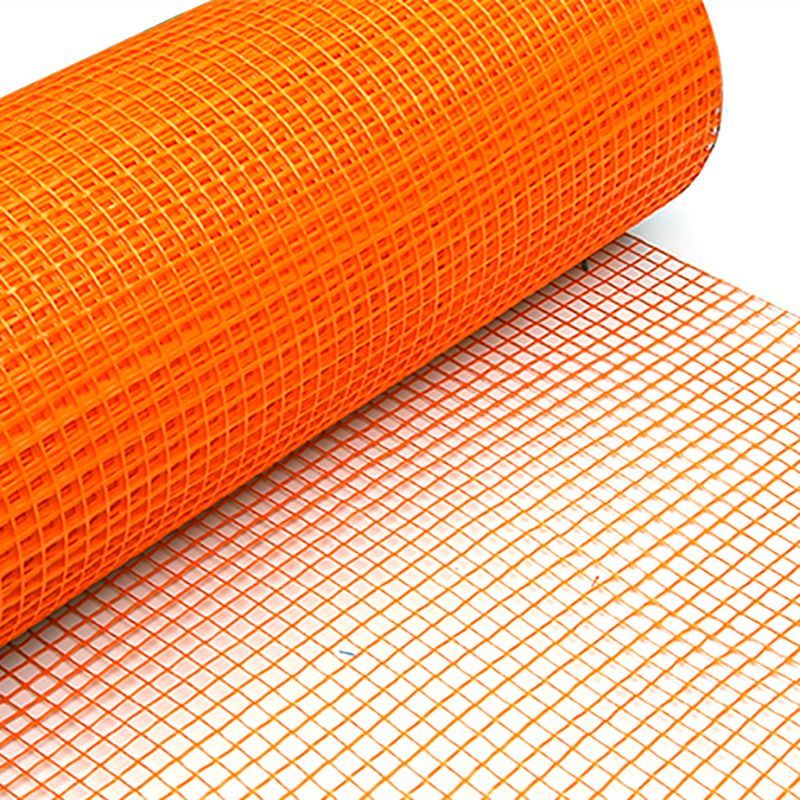
Exterior Plaster Mesh
Danyang Yonggu Building Materials Co., Ltd. is one of the most reliable manufacturers and suppliers of exterior plaster mesh in China. With abundant experience, we warmly welcome you to wholesale bulk exterior plaster mesh made in China here from our factory. All customized products are with high quality and competitive price.
Product Description
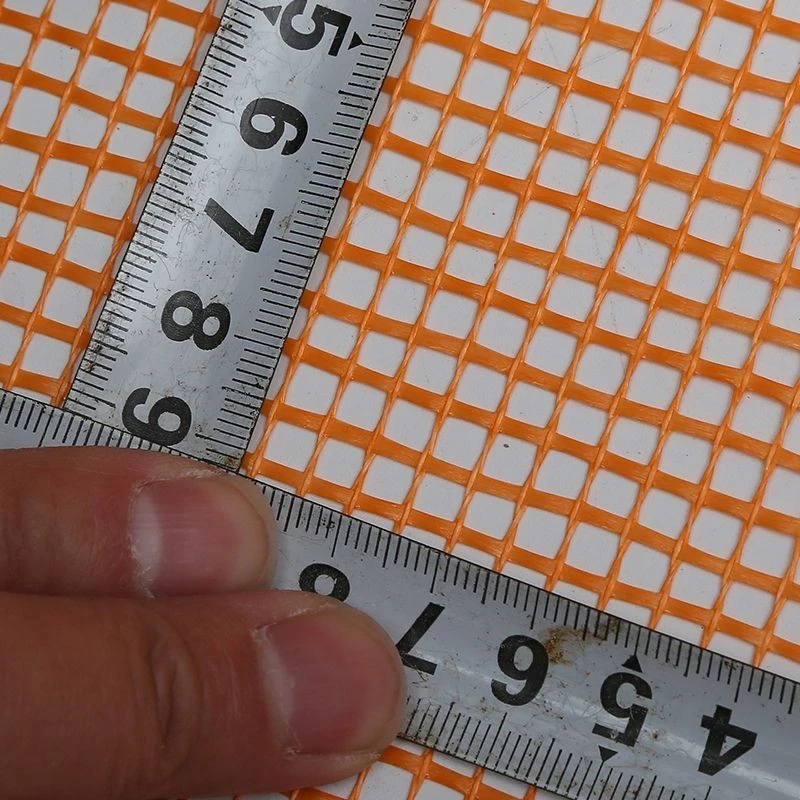
Exterior Plaster Mesh is a reinforcing fabric widely used in rendering and plastering applications on exterior walls. We manufacture it from woven fiberglass yarn and apply an alkali-resistant polymer coating to improve its performance in cementitious environments.
From our experience, plaster itself offers good compressive strength but has limited resistance to tensile stress. This becomes especially noticeable when walls experience temperature fluctuations, drying shrinkage, or slight structural movement. Under these conditions, cracks often develop within the render layer long before any visible damage appears on the building structure.
By incorporating fiberglass mesh into the plaster system, contractors create a more stable reinforcing layer inside the mortar. The mesh helps control crack formation, improves impact resistance, and contributes to a smoother, longer-lasting facade finish. Whether used on new construction or renovation projects, it plays an important role in maintaining the integrity of the exterior surface.
Working Principle
Fresh mortar and plaster continuously undergo physical changes during curing. At the same time, exterior walls respond to environmental conditions such as sunlight, temperature variation, wind loads, and seasonal movement.
In practice, these factors generate tensile stress throughout the render layer. Areas around openings, joints, and substrate transitions often experience the highest concentration of stress.
When installers embed Exterior Plaster Mesh into wet mortar, the mesh forms a continuous reinforcing network across the wall surface. Instead of allowing stress to accumulate in isolated locations, it distributes those forces more evenly throughout the render layer. This significantly reduces the likelihood of localized cracking and surface crazing.
Another factor often overlooked is the alkaline environment created by cement and lime-based materials. Without protection, ordinary fiberglass may gradually lose strength over time. For this reason, we coat the mesh with an alkali-resistant polymer that protects the yarn structure and helps maintain long-term reinforcement performance.

Key Features
- Crack Control Performance:One of the primary reasons contractors choose fiberglass plaster mesh is its ability to control shrinkage cracks. The mesh helps stabilize the render layer and reduces the formation of fine surface cracks that often appear during curing and weather exposure.
- Resistance to Alkaline Conditions:Exterior plaster systems remain in contact with highly alkaline materials throughout their service life. The protective coating allows the mesh to withstand these conditions while retaining its reinforcing properties.
- Reliable Bond with Mortar:The open-grid construction allows mortar to pass through and surround the yarn structure. This creates a strong mechanical connection between the plaster layer, the mesh, and the substrate beneath it.
- High Tensile Strength:During renovation work, applicators frequently encounter weak, aged, or partially deteriorated wall surfaces. The additional tensile reinforcement provided by the mesh helps stabilize these substrates and improves the performance of the new render layer.
- Flexible Handling on Site:Because the material remains lightweight and easy to cut, installers can adapt it quickly to corners, window reveals, curved surfaces, and other complex architectural details.
-
Long-Term Weather Resistance:Exterior applications require materials capable of withstanding moisture, freeze-thaw cycles, and prolonged environmental exposure. Properly embedded within the render system, fiberglass mesh maintains its reinforcing function under these conditions.
-
Fire Safety Advantages:The fiberglass base material is inorganic and non-combustible. Although the mesh itself is not a fire-protection system, it contributes positively to the overall fire performance of exterior wall assemblies.
-
Simplified Installation:Most plastering crews are already familiar with fiberglass mesh installation. The material embeds easily into fresh mortar using standard tools, allowing the reinforcement process to integrate naturally into normal plastering operations.
Applications
- Traditional Rendering and Plastering:Contractors commonly use Exterior Plaster Mesh when applying cement-, lime-, or gypsum-based plaster over brickwork, concrete walls, masonry blocks, and similar substrates. The mesh helps improve the overall stability of the finished render.
- Building Renovation and Restoration:Older buildings often present uneven surfaces, minor cracking, and weakened substrate conditions. From our experience, reinforcing the wall before applying a new finish coat can significantly improve long-term performance and reduce recurring defects.
- Facade Refurbishment Projects:Hairline cracks frequently remain visible beneath newly applied render if they are not properly treated. Embedding fiberglass mesh creates a bridging layer that helps isolate existing cracks and minimize their reappearance through the new finish.
- Waterproofing Systems:Many cementitious waterproofing systems incorporate reinforcement mesh to improve tensile strength and crack resistance. This approach is commonly used on exterior walls, balconies, terraces, and other exposed areas.
-
Stone and Tile Applications:The mesh can also provide additional support within thin stone veneer systems and mosaic tile installations, helping improve dimensional stability during transportation and installation.

Product Structure
The long-term performance of Exterior Plaster Mesh depends on the interaction between two key components.
The foundation of the product is a woven fiberglass fabric produced from high-strength E-glass or C-glass yarns. The woven structure provides dimensional stability while supplying the tensile strength required to accommodate normal wall movement and stress development.
The second component is the alkali-resistant polymer coating. In our view, this layer is just as important as the fiberglass itself. The coating binds individual filaments together, improves handling during installation, and protects the glass fibers from the corrosive effects of cement and plaster. Without this protective barrier, the reinforcement capability of the mesh would gradually decline over time.
Hot Tags: exterior plaster mesh, China exterior plaster mesh manufacturers, suppliers, factory
You Might Also Like


Send Inquiry