


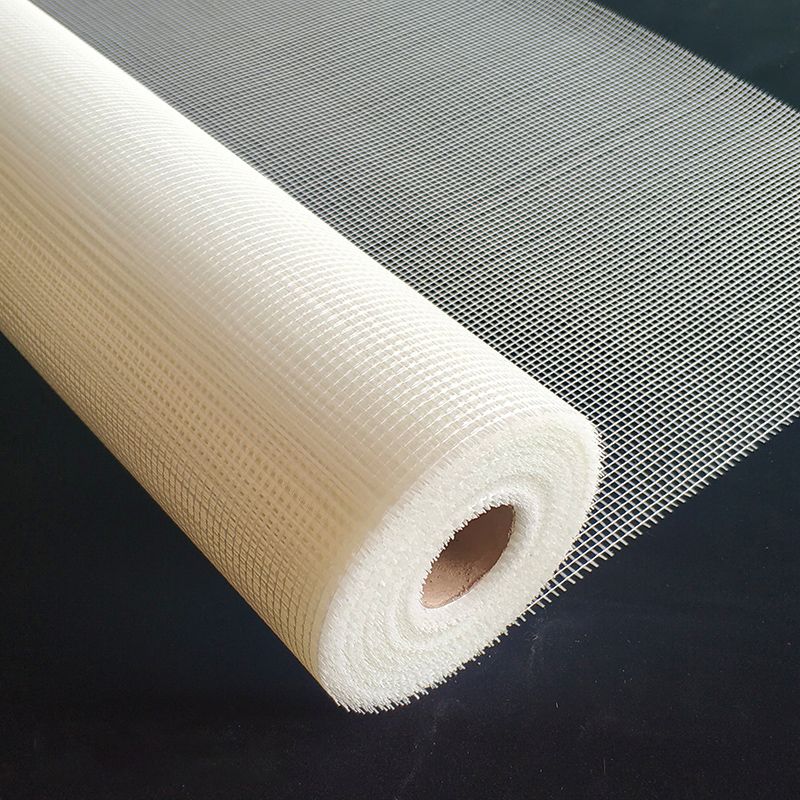
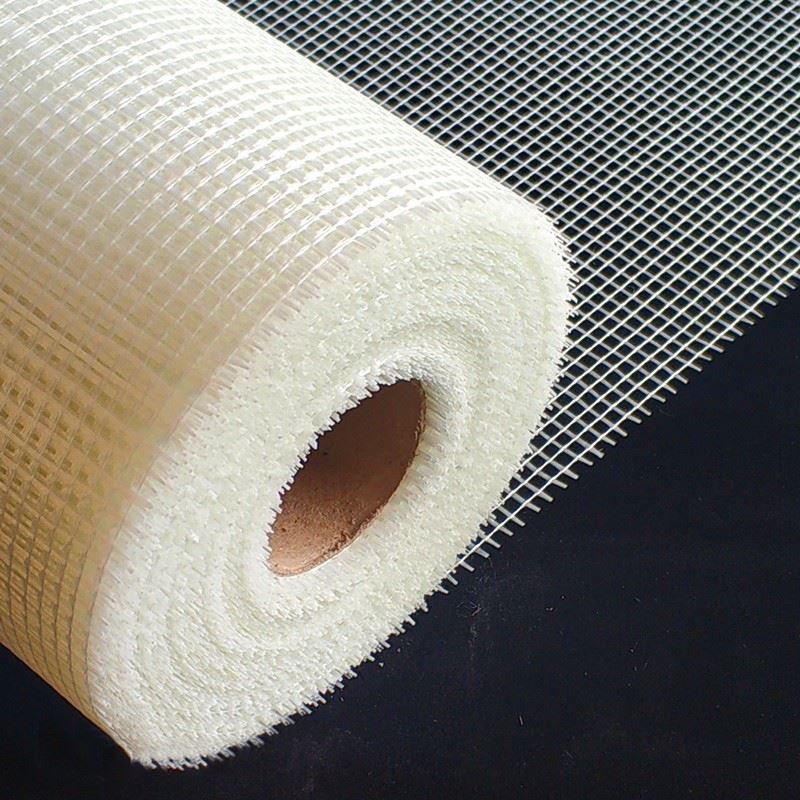
Wall Reinforcement Fiberglass Mesh
Danyang Yonggu Building Materials Co., Ltd. is one of the most reliable manufacturers and suppliers of wall reinforcement fiberglass mesh in China. With abundant experience, we warmly welcome you to wholesale bulk wall reinforcement fiberglass mesh made in China here from our factory. All customized products are with high quality and competitive price.
Overview
Wall Reinforcement Fiberglass Mesh is a woven reinforcement fabric used in cementitious wall systems and façade construction where dimensional stability is an important design consideration. The fabric is manufactured from medium-alkali or alkali-free fiberglass yarn and finished with an acrylic copolymer coating to improve compatibility with cement-based materials.
After installation, the mesh becomes embedded within plaster, render, base coats, repair mortars or external insulation systems. It forms part of the mineral layer rather than acting as an independent surface covering. Reinforcement within the coating helps accommodate movement that develops during curing and throughout the service life of the wall.
Reinforcement requirements vary between construction systems. Interior plaster, cement render and EIFS base coats are subject to different loading conditions, coating thicknesses and substrate characteristics. Selection of mesh weight, opening size and coating type is therefore generally based on the wall assembly instead of adopting a single specification for every application.
Material Construction
Continuous fiberglass yarn is woven under controlled manufacturing conditions to maintain consistent mesh geometry across the full roll width. Uniform wall reinforcement fiberglass mesh openings support even mortar penetration during installation and contribute to consistent reinforcement throughout the coated surface.
An acrylic copolymer coating is applied after weaving. The coating stabilizes yarn intersections, improves handling during installation and reduces direct exposure of the fiberglass to alkaline cementitious materials.
Where higher alkaline resistance is specified, coating formulations may include zirconium-containing compounds together with additional functional additives. These modifications improve durability during prolonged contact with cement-based systems.
Behaviour in Cementitious Systems
Hydrating cement creates a highly alkaline environment while moisture gradually evaporates from the render layer. Drying shrinkage begins during curing and continues until the material reaches equilibrium. Throughout the service life of the building, seasonal temperature changes and minor structural movement introduce additional strain into the wall system.
Embedded reinforcement distributes this movement across a wider area of the mineral coating. Localized stress is less likely to accumulate around substrate transitions, repaired sections or changes in material thickness, where cracking most frequently develops.
Openings such as windows and doors, wall junctions and repair interfaces generally experience greater differential movement than uninterrupted wall surfaces. These locations typically require additional reinforcement to improve coating continuity.
Performance depends on both material quality and installation practice. The mesh should remain fully encapsulated within the mortar or base coat. Placement immediately beneath the finished surface may reduce reinforcement efficiency.
Material Properties
The woven construction combines relatively low weight with stable tensile performance, allowing manual installation without significantly increasing the thickness of the coating system.
The acrylic copolymer coating improves resistance to alkaline exposure while enhancing mechanical bonding between the reinforcement and surrounding mortar.
Controlled weaving maintains consistent mesh openings, allowing fresh mortar to penetrate the fabric evenly during application.
Low elongation limits dimensional change after curing and reduces deformation associated with drying shrinkage and normal thermal movement.
As an inorganic reinforcement material, fiberglass is not susceptible to mold growth, biological attack or corrosion. The material is non-combustible and is commonly incorporated into wall systems where fire performance forms part of the overall assembly.
Typical Applications
Wall Reinforcement Fiberglass Mesh is commonly specified for:
- Exterior wall rendering systems
-
Interior plaster reinforcement
-
Cement and lime-based renders
-
EIFS and ETICS base coats
-
Wall renovation and crack repair
-
Drywall transition areas
-
Cementitious waterproofing coatings
-
Industrial and commercial wall systems
Selection of the appropriate specification depends on substrate type, render thickness, construction method and expected service conditions. Higher area weight is not automatically associated with improved performance. Reinforcement should be matched to the requirements of the complete wall system.

Storage and Handling
- Store the material in a clean and dry environment before installation. Direct exposure to moisture should be avoided during storage.
- Rolls should remain in their original packaging until use to minimize contamination and prevent deformation during transportation or handling.
- During installation, the mesh should be positioned within fresh mortar or plaster with adequate material cover on both sides of the reinforcement. Project specifications and local construction standards should take precedence whenever applicable.
Manufacturing
Production begins with yarn selection, followed by precision weaving to maintain uniform mesh openings and dimensional consistency throughout each roll.
After weaving, the acrylic coating is applied under controlled processing conditions before drying and winding. Routine inspection covers mesh opening, area weight, coating distribution, tensile performance and finished roll appearance.
Product consistency is evaluated across the complete manufacturing process rather than through a single performance indicator. Uniform coating application, stable roll geometry and consistent weaving quality all contribute to predictable installation characteristics and long-term reinforcement performance.
Available Options
Wall Reinforcement Fiberglass Mesh is available in a range of specifications to accommodate different construction methods and regional building practices, including:
- Various mesh opening sizes
-
Different area weights
-
Standard or custom roll dimensions
-
Alternative coating formulations
-
OEM and private-label production
-
Custom colours
-
Printed labels and packaging
Final specification is generally selected according to substrate condition, coating thickness, anticipated service environment and applicable construction standards.

Hot Tags: wall reinforcement fiberglass mesh, China wall reinforcement fiberglass mesh manufacturers, suppliers, factory
You Might Also Like


Send Inquiry