


What are the high - temperature properties of fiberglass veil?
Aug 03, 2026
Leave a message
Fiberglass veil is a remarkable material known for its wide range of applications and unique properties. As a leading supplier of fiberglass veil, I am often asked about its high - temperature properties. In this blog post, I will delve into the details of these properties, exploring how they make fiberglass veil an excellent choice for various high - temperature environments.
Composition and Structure of Fiberglass Veil
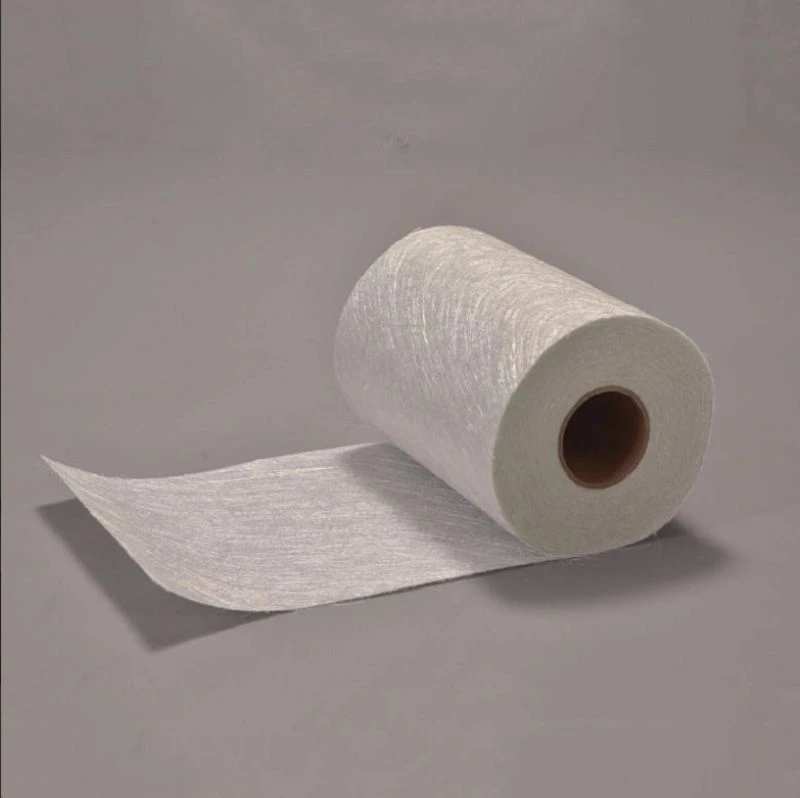
Before discussing the high - temperature properties, it's essential to understand the composition and structure of fiberglass veil. Fiberglass veil is typically made from fine glass fibers that are randomly oriented and bonded together. These glass fibers can be made from different types of glass, such as E - glass, S - glass, or C - glass, each with its own unique characteristics.
The random orientation of the glass fibers in the veil provides a uniform distribution of strength and flexibility. The bonding agents used to hold the fibers together are carefully selected to withstand different operating conditions, including high temperatures.
High - Temperature Resistance
One of the most significant high - temperature properties of fiberglass veil is its excellent heat resistance. Different types of fiberglass veils can withstand a wide range of temperatures. For example, E - glass based fiberglass veils can typically withstand continuous service temperatures up to around 600°F (315°C). This makes them suitable for applications in industries such as automotive, aerospace, and manufacturing, where they may be exposed to high - temperature components or processes.
S - glass fiberglass veils offer even higher heat resistance. They can endure continuous service temperatures of up to 800°F (427°C). This enhanced performance is due to the unique chemical composition of S - glass, which has a higher melting point and better thermal stability compared to E - glass.
When exposed to high temperatures, fiberglass veil maintains its structural integrity. The glass fibers do not melt easily, and the bonding agents are designed to resist degradation. This means that the veil can continue to provide reinforcement and protection even in extreme heat.
Thermal Insulation
In addition to its heat resistance, fiberglass veil also possesses good thermal insulation properties. The randomly oriented glass fibers create a network of air pockets within the veil. These air pockets act as insulators, reducing the transfer of heat through the material.
In high - temperature applications, this thermal insulation can be crucial. For example, in a high - performance automotive engine, fiberglass veil can be used to insulate components, reducing heat loss and protecting nearby parts from excessive heat. It can also be used in industrial furnaces and ovens to improve energy efficiency by reducing heat transfer to the surrounding environment.
Dimensional Stability
Another important high - temperature property of fiberglass veil is its dimensional stability. When a material is exposed to high temperatures, it may expand or contract, which can lead to problems such as warping, cracking, or failure. Fiberglass veil, however, exhibits very low thermal expansion coefficients.
This means that even under high - temperature conditions, the veil will not change its shape significantly. It maintains its original dimensions, ensuring that it fits properly in the application and continues to provide consistent performance. This dimensional stability is particularly important in precision applications, such as in the aerospace industry where tight tolerances are required.
Chemical Resistance at High Temperatures
Fiberglass veil also shows good chemical resistance at high temperatures. The glass fibers are inert to many chemicals, and the bonding agents used in the veil are formulated to resist chemical attack even when heated. This makes fiberglass veil suitable for use in harsh chemical environments at elevated temperatures.
For example, in the chemical processing industry, fiberglass veil can be used to line pipes and containers that handle corrosive chemicals at high temperatures. It provides a reliable barrier that protects the underlying structure from chemical damage and extends the service life of the equipment.
Applications of Fiberglass Veil Based on High - Temperature Properties
The high - temperature properties of fiberglass veil make it ideal for a variety of applications.
Automotive Industry
In the automotive industry, fiberglass veil is used in exhaust systems, under - hood insulation, and engine components. The heat resistance and thermal insulation properties of the veil help protect sensitive electronic components from engine heat, improve fuel efficiency, and reduce noise. You can find more information about our Fiberglass Tissue Mat that is often used in these applications.
Aerospace Industry
Aerospace applications require materials that can withstand extreme temperatures and provide high strength and dimensional stability. Fiberglass veil is used in aircraft insulation, engine components, and composites. Our Decorative Fiberglass Mat can also be utilized in aerospace interiors, providing both aesthetic appeal and high - temperature protection.
Industrial Manufacturing
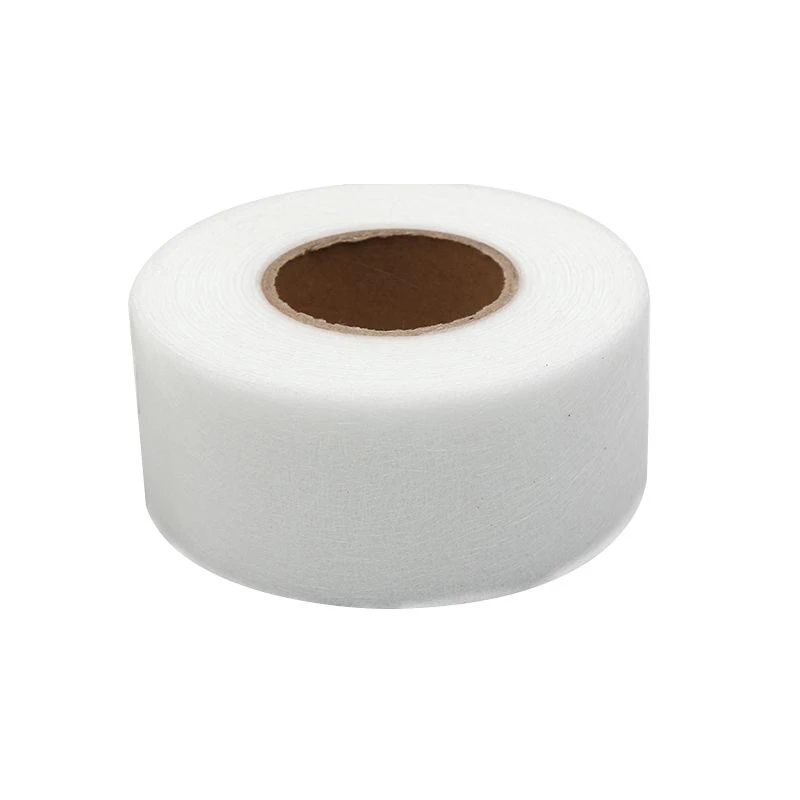
In industrial manufacturing, fiberglass veil is used in various high - temperature processes. It can be found in industrial furnaces, heat exchangers, and pipes. The chemical resistance and thermal insulation of the veil make it a valuable material for these applications. Check out our Glass Fiber Tissue which is suitable for different industrial manufacturing needs.
Electrical Industry
In the electrical industry, fiberglass veil is used in high - temperature electrical insulation. It can withstand the heat generated by electrical components and provide a reliable insulating layer. Our Fiberglass Surface Mat and Fiberglass Surfacing Veil are often used in electrical insulation applications.
Conclusion and Call to Action
In conclusion, the high - temperature properties of fiberglass veil, including its heat resistance, thermal insulation, dimensional stability, and chemical resistance, make it a versatile and valuable material for a wide range of industries. Whether you are in the automotive, aerospace, industrial manufacturing, or electrical industry, fiberglass veil can offer solutions to your high - temperature challenges.
If you are interested in learning more about our fiberglass veil products or need a custom - tailored solution for your high - temperature application, please feel free to contact us for procurement and further discussions. We are committed to providing high - quality fiberglass veil products and excellent customer service.
References
- "Handbook of Fiberglass and Advanced Plastics Composites" by John A. Brydson
- "High - Temperature Materials and Their Applications" edited by Richard A. Rapp
Send Inquiry