


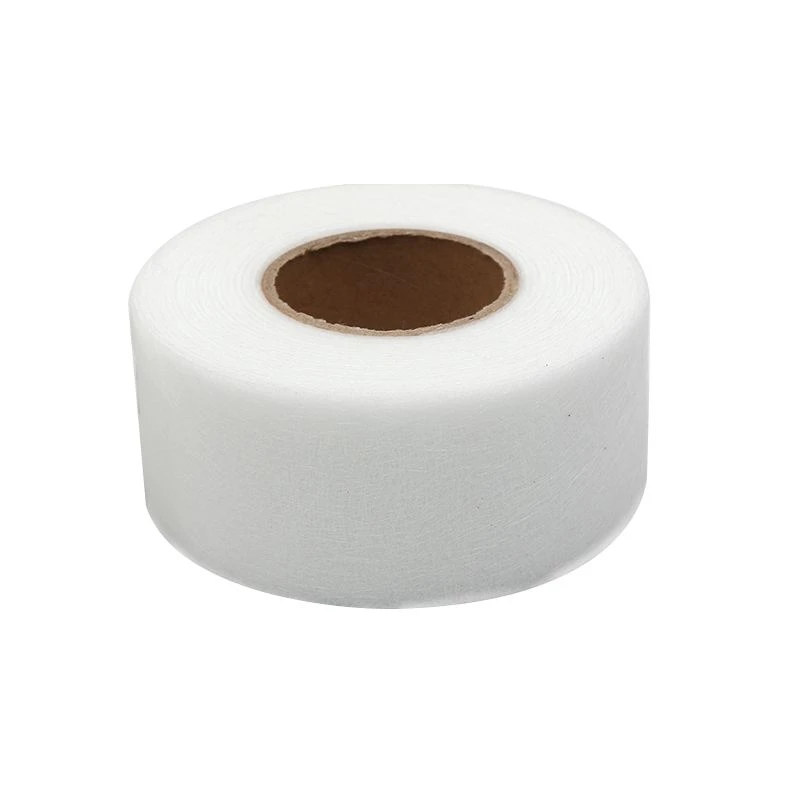
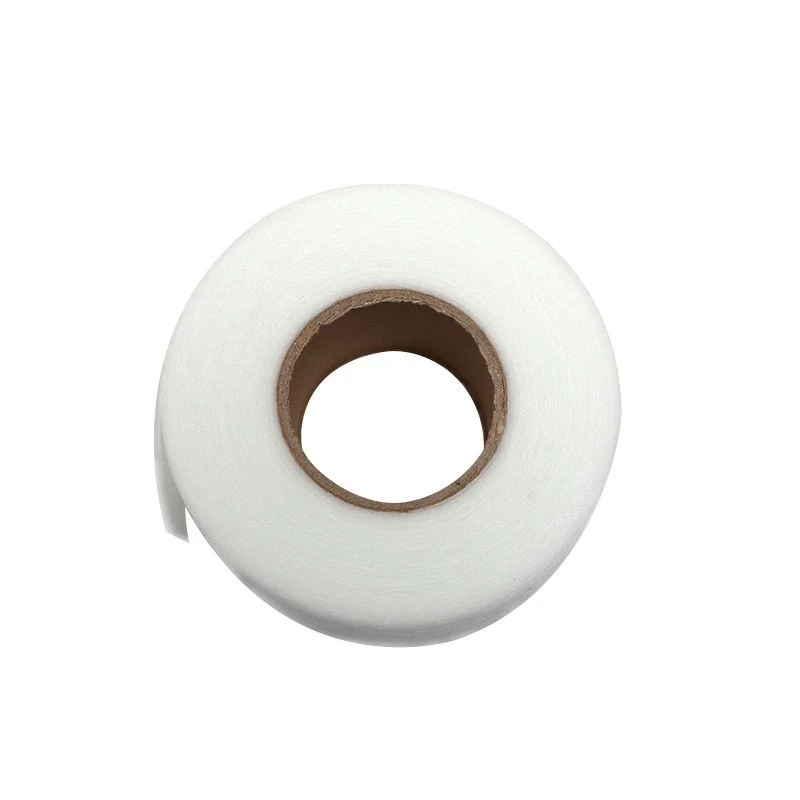
Fiberglass Tissue Mat
Danyang Yonggu Building Materials Co., Ltd. is one of the most reliable manufacturers and suppliers of fiberglass tissue mat in China. With abundant experience, we warmly welcome you to wholesale bulk fiberglass tissue mat made in China here from our factory. All customized products are with high quality and competitive price.
Product Description
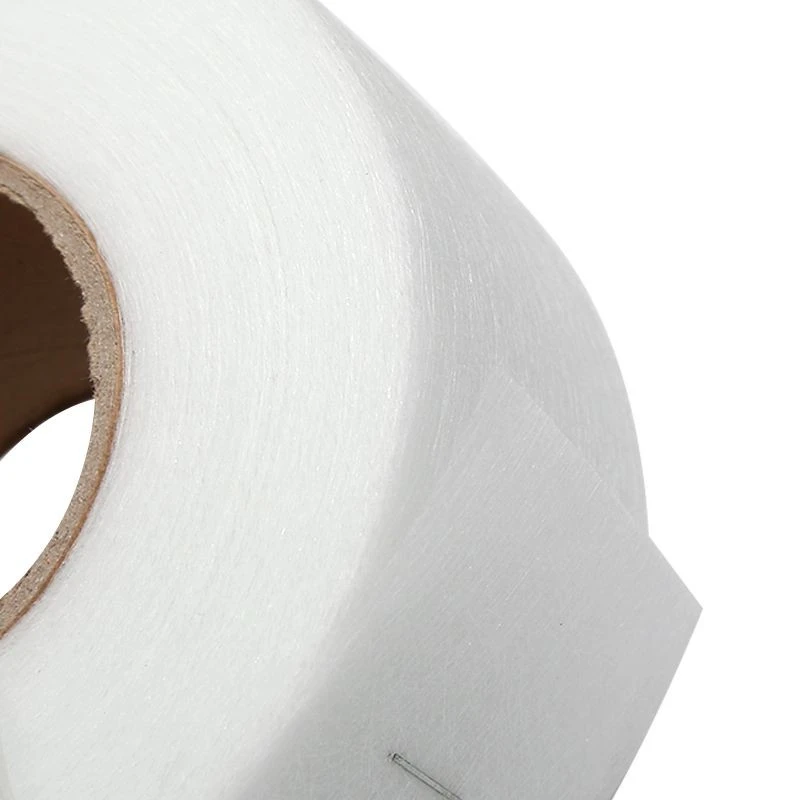
Fiberglass Tissue Mat is a lightweight nonwoven glass fibre material produced from randomly distributed fibres bonded with a compatible binder. The material is used where a uniform surface, controlled resin absorption or additional dimensional stability is required. It is found in asphalt roofing membranes, FRP laminates, insulation products and anti-corrosion wrapping systems for steel pipelines.
Unlike woven fiberglass fabrics, fiberglass tissue mat has no defined warp or weft direction. The random fibre arrangement produces a more uniform surface and allows resin or bitumen to penetrate the structure evenly during processing. From our experience, this characteristic becomes particularly important on products where the surface finish remains visible after moulding or coating.
Different industries use the same base material in different ways. Roofing manufacturers generally focus on dimensional stability during bitumen impregnation, while FRP producers pay more attention to resin flow and surface quality.
Material Behaviour
During manufacture, resin, asphalt or other binders penetrate the fibre network and surround the individual glass fibres. After curing or cooling, the tissue becomes integrated with the surrounding material rather than remaining as a separate layer.
The random fibre orientation spreads tensile stress in multiple directions. Local stress concentrations caused by thermal movement, shrinkage or handling are therefore less likely to appear as visible cracks on the finished surface.
Another factor often overlooked is fibre distribution. Even when two products have the same area weight, a more uniform fibre network usually produces better resin flow and a more consistent surface after processing.

Material Characteristics
- The nonwoven construction provides a smooth and even surface suitable for coatings, laminates and waterproofing products.
-
The fibre network wets out readily with polyester, vinyl ester, epoxy resins and hot bitumen during production.
-
Fiberglass remains stable under normal service conditions and is not affected by moisture or biological degradation. Where chemical resistance is required, overall performance depends on the complete laminate or coating system rather than the tissue alone.
-
The material conforms well to flat surfaces, moderate curves and cylindrical components without introducing significant thickness.
Reference Specifications
- Material:Nonwoven fiberglass tissue
-
Glass fibre:E-glass
-
Construction:Random fibre orientation
-
Typical area weight:Produced according to application requirements
-
Binder:Compatible organic binder
-
Roll width:Produced according to order specification
-
Roll length:Produced according to order specification
Alternative fibre diameters, binder systems and roll formats are available for different manufacturing processes.

Typical Applications
Fiberglass Tissue Mat is incorporated into asphalt roofing membranes, where it serves as a reinforcement carrier during bitumen impregnation.
FRP manufacturers use the material as a surfacing layer for tanks, pipes, marine components, vehicle panels and moulded composite products. A smoother laminate surface and reduced fibre print-through are often achieved after curing.
The same material is also selected for anti-corrosion wrapping systems used on underground steel pipelines, particularly where resin-impregnated glass reinforcement forms part of the protective coating structure.
Additional applications include decorative wall panels, ceiling products, insulation boards and cement-based waterproofing systems where a lightweight reinforcing layer is required.
Manufacturing Options
Production starts with the requirements of the finished product rather than a fixed material specification.
Area weight, binder chemistry, roll width, roll length and packaging can all be adjusted before production. Some customers require faster wet-out during resin processing, while others place greater emphasis on bitumen saturation, surface smoothness or compatibility with continuous laminating lines.
Where manufacturing conditions differ, we normally review the processing method first and then recommend a suitable tissue construction instead of applying the same specification to every application.

Hot Tags: fiberglass tissue mat, China fiberglass tissue mat manufacturers, suppliers, factory, Decorative Fiberglass Mat, Fiberglass Surface Mat, Fiberglass Surfacing Veil, Fiberglass Tissue Mat, Fiberglass Veil, Glass Fiber Tissue
You Might Also Like


Send Inquiry