


What is the difference between fiberglass surface tissue and other fiberglass products?
Oct 23, 2026
Leave a message
As a supplier of Fiberglass Surface Tissue, I've had the privilege of witnessing firsthand the diverse applications and unique properties of this material. In this blog post, I'll delve into the differences between Fiberglass Surface Tissue and other fiberglass products, shedding light on their distinct characteristics and applications.
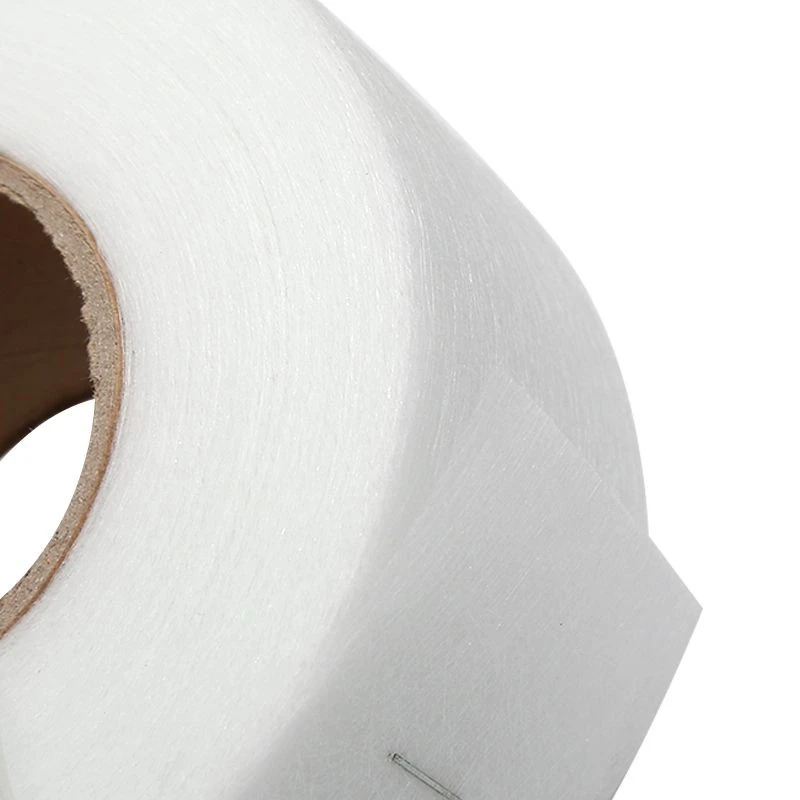
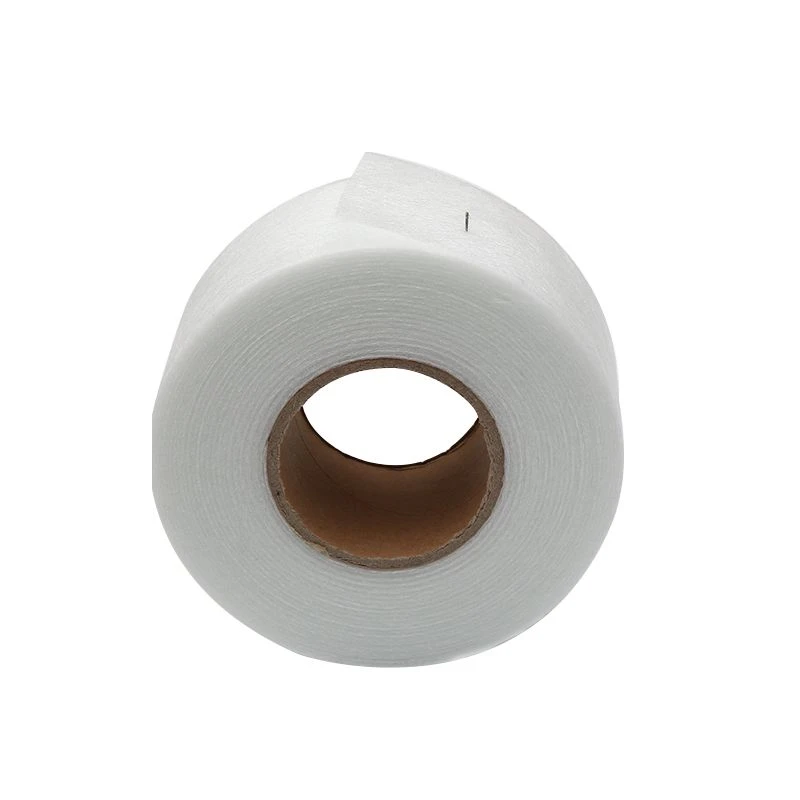
Understanding Fiberglass Surface Tissue
Fiberglass Surface Tissue, also known as Fiberglass Surfacing Veil, is a lightweight, non-woven material made from fine glass fibers. It is typically used as a surface layer in composite materials to enhance the surface finish, smoothness, and corrosion resistance. The tissue is available in various weights and thicknesses, making it suitable for a wide range of applications.
One of the key advantages of Fiberglass Surface Tissue is its ability to conform to complex shapes and contours. This makes it ideal for use in automotive, aerospace, and marine applications, where a smooth and seamless surface finish is required. The tissue also provides excellent mechanical properties, such as high strength and stiffness, while maintaining a low weight.
Comparing Fiberglass Surface Tissue with Other Fiberglass Products
Decorative Fiberglass Mat
Decorative Fiberglass Mat is another popular fiberglass product that is commonly used for aesthetic purposes. Unlike Fiberglass Surface Tissue, which is primarily used for surface finishing, Decorative Fiberglass Mat is designed to add a decorative element to composite materials.
The mat is made from chopped glass fibers that are randomly oriented and bonded together with a resin. It is available in a variety of colors and patterns, allowing for a wide range of design options. Decorative Fiberglass Mat is often used in applications such as furniture, signage, and architectural elements.
While both Fiberglass Surface Tissue and Decorative Fiberglass Mat are made from glass fibers, they serve different purposes. Fiberglass Surface Tissue is focused on improving the surface quality and performance of composite materials, while Decorative Fiberglass Mat is used for its aesthetic appeal.
Glass Fiber Tissue
Glass Fiber Tissue is a general term that encompasses a wide range of fiberglass products, including Fiberglass Surface Tissue. However, there are some key differences between the two.
Glass Fiber Tissue is typically made from continuous glass fibers that are woven or non-woven. It is available in various weights and thicknesses, and can be used for a variety of applications, such as insulation, reinforcement, and filtration.
In contrast, Fiberglass Surface Tissue is specifically designed for use as a surface layer in composite materials. It is made from fine glass fibers that are randomly oriented and bonded together with a resin. The tissue is lightweight and has a smooth surface finish, making it ideal for applications where a high-quality surface is required.
Alkali Resistant Fiberglass Tissue
Alkali Resistant Fiberglass Tissue is a specialized type of Fiberglass Surface Tissue that is designed to resist the effects of alkaline environments. It is commonly used in applications such as cementitious composites, where the tissue is exposed to high levels of alkalinity.
The alkali resistance of the tissue is achieved through the use of special glass fibers and a protective coating. This coating helps to prevent the glass fibers from reacting with the alkaline environment, which can lead to degradation and loss of strength.
While both Fiberglass Surface Tissue and Alkali Resistant Fiberglass Tissue are used for surface finishing, Alkali Resistant Fiberglass Tissue offers additional protection in alkaline environments. This makes it suitable for applications where the tissue is exposed to harsh chemicals or high pH levels.
Applications of Fiberglass Surface Tissue
Fiberglass Surface Tissue has a wide range of applications across various industries. Some of the common applications include:
- Automotive: Fiberglass Surface Tissue is used in automotive body parts, such as hoods, fenders, and doors, to improve the surface finish and corrosion resistance.
- Aerospace: In the aerospace industry, Fiberglass Surface Tissue is used in aircraft interiors, such as cabin panels and luggage compartments, to provide a smooth and lightweight surface.
- Marine: Fiberglass Surface Tissue is used in boat building to enhance the surface finish and prevent water penetration. It is also used in marine applications such as hull repairs and deck overlays.
- Construction: In construction, Fiberglass Surface Tissue is used in roofing, insulation, and cladding applications to improve the durability and weather resistance of the materials.
- Wind Energy: Fiberglass Surface Tissue is used in the manufacturing of wind turbine blades to enhance the surface finish and reduce drag.
The Importance of Choosing the Right Fiberglass Product
Choosing the right fiberglass product for your application is crucial to achieving the desired results. When selecting a fiberglass product, it's important to consider factors such as the application requirements, the environment in which the product will be used, and the performance characteristics of the product.
For example, if you're looking for a surface finish that is smooth and corrosion-resistant, Fiberglass Surface Tissue may be the right choice. On the other hand, if you're looking for a decorative element for your composite material, Decorative Fiberglass Mat may be more suitable.
It's also important to work with a reputable supplier who can provide you with the right product for your application. As a supplier of Fiberglass Surface Tissue, I have the expertise and experience to help you choose the right product and provide you with the support you need to ensure the success of your project.
Contact Us for Your Fiberglass Surface Tissue Needs
If you're interested in learning more about Fiberglass Surface Tissue or other fiberglass products, or if you have any questions or need assistance with your project, please don't hesitate to contact us. We're here to help you find the right solution for your needs and provide you with the highest quality products and services.
References
- "Fiberglass Reinforcements: Types and Applications" by Composites World
- "Surface Finishing of Composite Materials" by John Wiley & Sons
- "Alkali-Resistant Fiberglass: Properties and Applications" by the American Ceramic Society
Send Inquiry