


What is the twist of fiberglass yarn?
Nov 02, 2026
Leave a message
Fiberglass yarn is a remarkable material that has found its way into a multitude of industries, from construction to aerospace. One of the key aspects of fiberglass yarn that often goes unnoticed but is crucial to its performance and application is the twist. In this blog post, I'll delve into what the twist of fiberglass yarn is, why it matters, and how it impacts the various products and applications where fiberglass yarn is used. As a fiberglass yarn supplier, I've witnessed firsthand the significance of this often-overlooked characteristic.
Understanding the Concept of Twist in Fiberglass Yarn
The twist in fiberglass yarn refers to the number of turns or spirals that the individual glass fibers are given around each other to form a single strand of yarn. This twisting process is a fundamental step in the manufacturing of fiberglass yarn. It is typically measured in turns per inch (TPI) or turns per meter (TPM). The twist can be either in a clockwise direction, known as Z-twist, or in a counter - clockwise direction, known as S-twist.
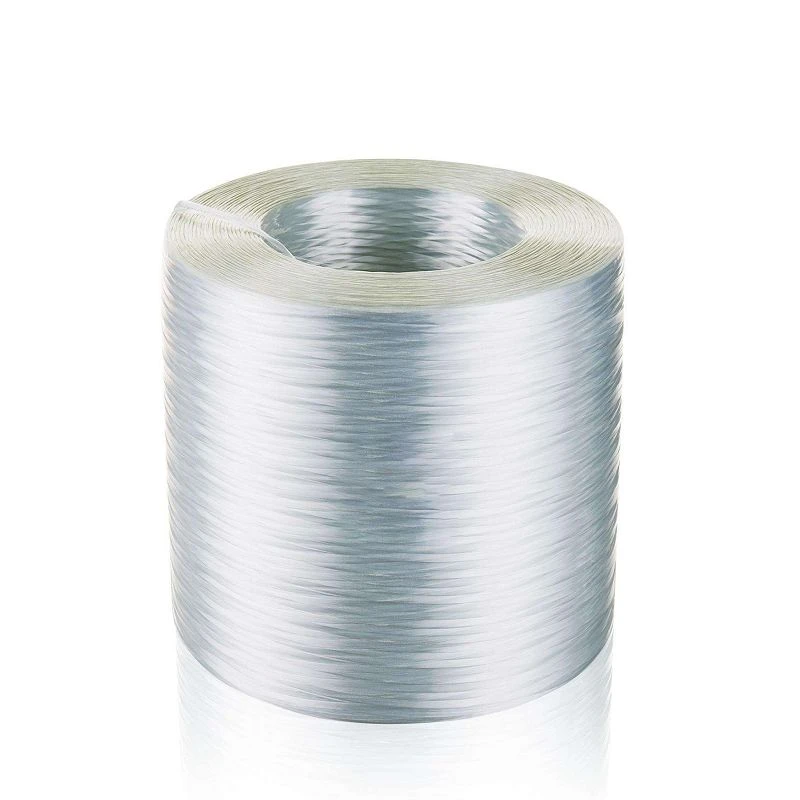
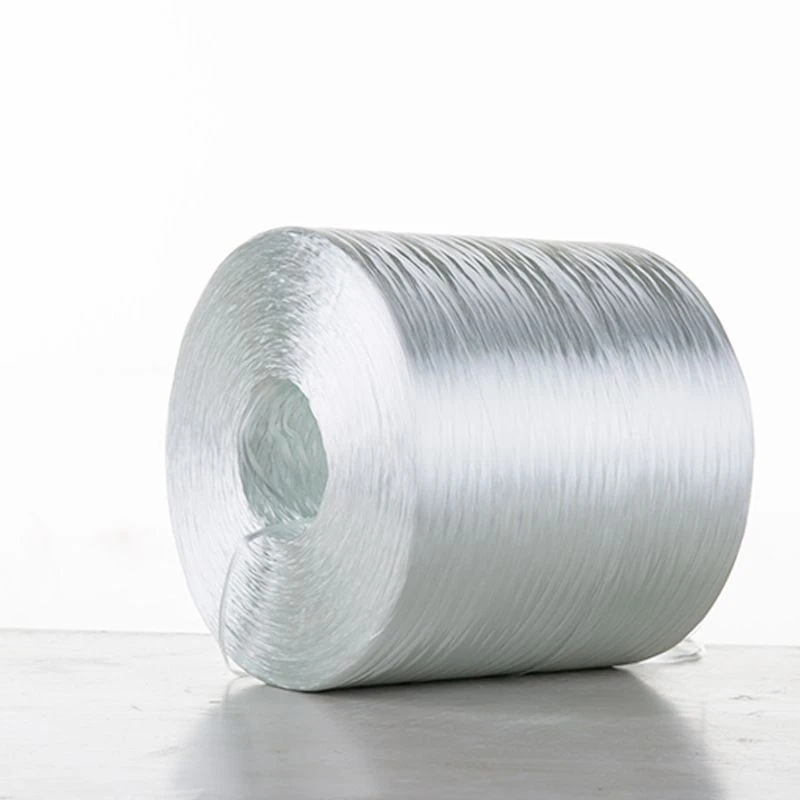
The twist is not just a random process; it is carefully engineered to achieve specific properties in the fiberglass yarn. For instance, a higher twist can increase the yarn's strength and abrasion resistance. When the fibers are twisted tightly together, they are better able to distribute stress evenly across the yarn, making it less likely to break under tension. On the other hand, a lower twist can result in a softer and more flexible yarn, which may be desirable for applications where the yarn needs to conform to irregular shapes.
Factors Affecting the Twist Selection
Several factors come into play when determining the appropriate twist for fiberglass yarn. One of the primary factors is the intended application. In the construction industry, for example, Fiberglass Mesh Yarn used in reinforcing concrete or plaster often requires a higher twist. This is because the mesh needs to be strong enough to withstand the forces exerted during the curing process and the long - term structural loads. A higher twist in the fiberglass yarn used for the mesh ensures that it can maintain its integrity and provide effective reinforcement.
In contrast, Fiberglass Yarn for Mesh used in decorative applications, such as in the production of handicrafts or textile - like products, may have a lower twist. A lower - twist yarn is more pliable and can be easily woven or knitted into intricate patterns. It also gives the final product a softer and more delicate appearance.
The type of glass fiber used also influences the twist selection. Different types of glass, such as E - glass, S - glass, or C - glass, have different physical properties. For example, S - glass is known for its high strength, so a lower twist may be sufficient to achieve the required strength in the yarn. E - glass, which is more commonly used due to its relatively low cost and good electrical insulation properties, may require a specific twist to enhance its mechanical performance.
Impact of Twist on Yarn Properties
Tensile Strength
As mentioned earlier, the twist significantly affects the tensile strength of fiberglass yarn. A well - optimized twist can increase the yarn's ability to resist breaking when pulled. When the fibers are twisted, they interlock with each other, creating a stronger and more cohesive structure. However, if the twist is too high, the fibers may start to break under the stress of twisting, resulting in a decrease in strength. Therefore, finding the right balance is crucial.
Flexibility and Drape
The twist also has a direct impact on the flexibility and drape of the fiberglass yarn. A lower - twist yarn is more flexible and can be easily bent or shaped. This makes it suitable for applications where the yarn needs to follow complex curves or be molded into specific forms. In the textile industry, for example, Glass Fiber Thread with a low twist can be used to create fabrics that have a natural drape, similar to traditional textile fibers.
Abrasion Resistance
Abrasion resistance is another important property affected by the twist. A higher - twist yarn is generally more resistant to abrasion because the tightly twisted fibers are less likely to be dislodged or damaged when rubbed against other surfaces. This makes high - twist fiberglass yarn ideal for applications where the yarn will be exposed to friction, such as in conveyor belts or industrial filters.
Applications of Fiberglass Yarn with Different Twists
Construction
In the construction field, Alkali Resistant Mesh Yarn is widely used for reinforcing structures. The high - twist yarn in these meshes provides excellent strength and durability, especially in alkaline environments where the concrete and mortar are highly corrosive. The mesh helps to prevent cracking and improve the overall structural integrity of the building.
Electrical and Electronics
Fiberglass yarn is also used in the electrical and electronics industry for insulation purposes. In this case, the twist is carefully chosen to ensure that the yarn has good dielectric properties. Fiberglass Yarn for EIFS Mesh, for example, is used in External Insulation and Finish Systems (EIFS) in buildings. The appropriate twist in the yarn helps to maintain the electrical insulation and mechanical stability of the system.
Aerospace
In the aerospace industry, where lightweight and high - strength materials are crucial, fiberglass yarn plays an important role. The twist of the yarn is engineered to meet the specific requirements of each application, whether it's for manufacturing aircraft interiors, structural components, or insulation. The right twist ensures that the fiberglass yarn can withstand the extreme conditions of flight, including high temperatures, pressure changes, and vibrations.
Why Choose Our Fiberglass Yarn
As a leading fiberglass yarn supplier, we understand the importance of the twist in achieving the best performance for our customers. Our manufacturing process is carefully controlled to ensure that the twist of our fiberglass yarn meets the highest standards. We offer a wide range of fiberglass yarn products with different twists to suit various applications.
Whether you need high - twist yarn for construction reinforcement or low - twist yarn for decorative purposes, we have the solution for you. Our team of experts is always ready to provide technical support and advice on selecting the right twist for your specific needs. We are committed to delivering high - quality fiberglass yarn that meets or exceeds your expectations.
If you are interested in purchasing fiberglass yarn, we invite you to contact us for a detailed discussion. We can work with you to understand your requirements and provide you with the best product at a competitive price.
References
- "Handbook of Fiberglass and Advanced Glass Fibers"
- "Fiberglass Reinforced Plastics: Materials, Manufacturing, and Design"
- Technical papers on fiberglass yarn manufacturing and applications from industry - leading research institutions
Send Inquiry