


What is the emissivity of fiberglass tissue mat?
Jul 28, 2026
Leave a message
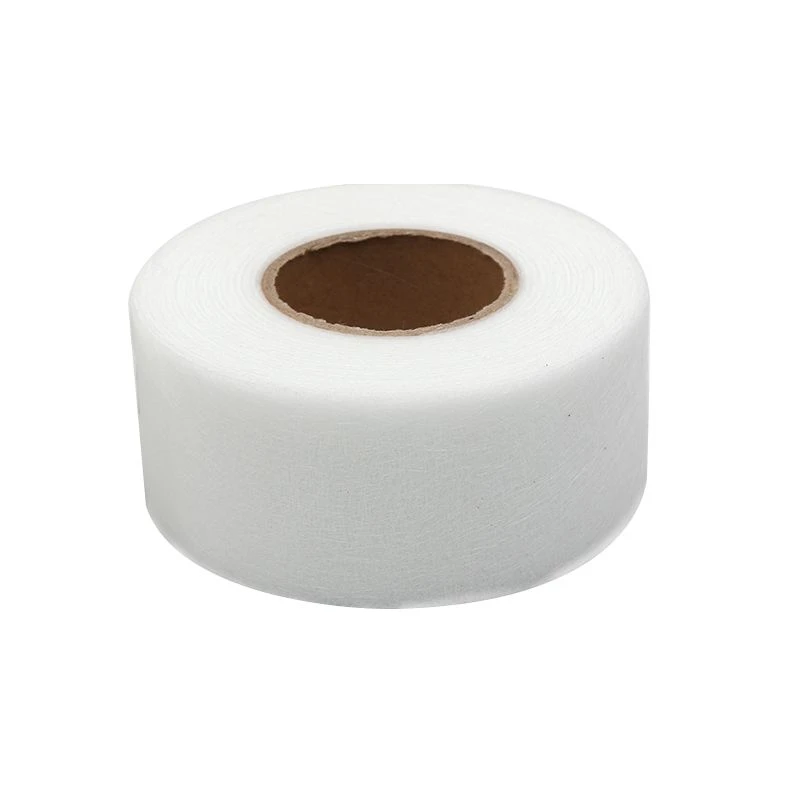
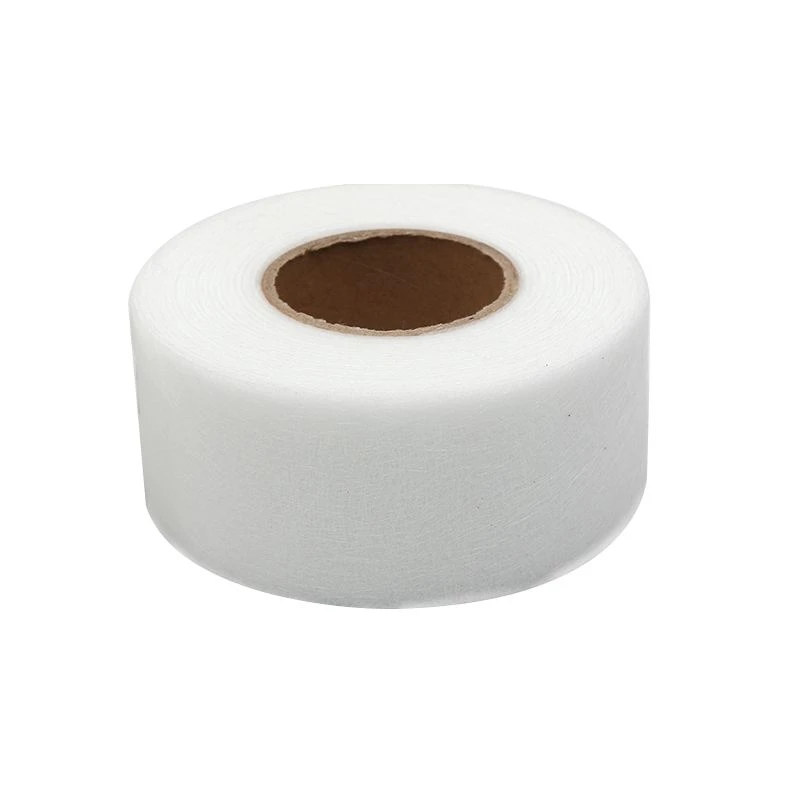
Fiberglass tissue mat is a versatile and widely - used material across various industries, from construction to automotive. Understanding its emissivity is crucial for assessing its performance in applications involving heat transfer and thermal management.
What is Emissivity?
Emissivity, a fundamental concept in thermodynamics, represents the efficiency with which a material emits thermal radiation compared to a perfect emitter, known as a blackbody. A blackbody has an emissivity value of 1, meaning it emits radiation at the maximum possible rate for a given temperature. In contrast, real - world materials have emissivity values between 0 and 1. The closer the emissivity value is to 1, the more effectively the material emits thermal radiation, while a value closer to 0 indicates that the material is a poor emitter and might reflect or transmit heat rather than radiate it.
Factors Affecting the Emissivity of Fiberglass Tissue Mat
- Fiber Composition
- Fiberglass tissue mats are composed of glass fibers, and the type of glass used can significantly impact emissivity. Different glass compositions have different atomic and molecular structures that influence their ability to absorb and emit radiation. For example, E - glass, a common type used in fiberglass applications, has unique optical properties that affect its emissivity. The presence of various oxides in the glass, such as silica (SiO₂), alumina (Al₂O₃), and calcium oxide (CaO), can change the way the material interacts with thermal radiation.
- Surface Finish
- The surface finish of the fiberglass tissue mat plays a vital role in determining its emissivity. A smooth surface may reflect more radiation, resulting in a lower emissivity value. On the other hand, a rough or textured surface can increase the surface area available for radiation emission, leading to a higher emissivity. During the manufacturing process, the treatment of the surface, such as applying a coating or using different weaving techniques, can modify the surface finish and, consequently, the emissivity.
- Density and Thickness
- The density of the fiberglass tissue mat affects the path of thermal radiation within the material. A higher - density mat may have more internal scattering of radiation, which can influence the overall emissivity. Similarly, the thickness of the mat can play a role. As the thickness increases, the probability of absorption and re - emission of radiation within the material changes, altering its emissivity characteristics.
Measuring the Emissivity of Fiberglass Tissue Mat
Measuring the emissivity of fiberglass tissue mat typically involves using specialized equipment such as emissometers. These devices work by measuring the amount of thermal radiation emitted by the material and comparing it to that of a reference blackbody at the same temperature. The measurement usually takes place in a controlled environment to ensure accurate results. Factors such as the temperature of the mat, the angle of measurement, and the presence of any contaminants on the surface must be carefully considered.
Importance of Emissivity in Applications
- Thermal Insulation
- In applications where thermal insulation is required, understanding the emissivity of fiberglass tissue mat is essential. A lower emissivity value means that the material will emit less thermal radiation, which can be beneficial for preventing heat transfer through radiation. For example, in building insulation, fiberglass tissue mats with low emissivity can help keep the interior of a building warm in winter and cool in summer by reducing the radiative heat exchange between the inside and outside.
- Heat Dissipation
- In some cases, such as in electronics cooling, a higher emissivity may be desired. Fiberglass tissue mats can be used in heat sinks or other heat - dissipating components. A higher emissivity allows the mat to more effectively radiate heat away from the electronic device, preventing overheating and improving performance.
Our Fiberglass Tissue Mat Offerings
As a dedicated [Supplier's role description here], we offer a wide range of fiberglass tissue mats, each designed to meet different industry needs. Our Fiberglass Tissue Mat is known for its consistent quality and customizable properties. Whether you are looking for a mat with a specific emissivity value for thermal insulation or heat dissipation, our product line can be tailored to your requirements.
We also provide other related products such as Fiberglass Surfacing Veil, which is often used in applications where a smooth and protective surface is needed. Our Glass Fiber Tissue is ideal for applications that require high - strength and chemical - resistant properties. The Decorative Fiberglass Mat offers both aesthetic appeal and functionality, while the Fiberglass Surface Tissue is suitable for providing surface protection and improving the appearance of composite materials.
Contact Us for Procurement
If you are in the market for high - quality fiberglass tissue mats or any of our related products, we invite you to contact us for procurement. Our team of experts is ready to assist you in selecting the right product based on your specific needs, including emissivity requirements. Whether you are a small - scale manufacturer or a large - scale industrial enterprise, we can provide you with the solutions you need to achieve optimal performance in your applications.
References
- Incropera, F. P., & DeWitt, D. P. (2002).Fundamentals of Heat and Mass Transfer (5th ed.). Wiley.
- Modest, M. F. (2013). Radiative Heat Transfer (3rd ed.). Academic Press.
Send Inquiry