


What is the recycling process of Alkali Resistant Mesh Yarn?
Aug 27, 2026
Leave a message
Alkali Resistant Mesh Yarn, a vital product in various industries, especially in construction and insulation, has received increasing attention due to its excellent performance and wide applications. As a supplier of Alkali Resistant Mesh Yarn, I am often asked about its recycling process. In this blog, I will delve into the details of the recycling process of Alkali Resistant Mesh Yarn, sharing insights from both a technical and practical perspective.
Understanding Alkali Resistant Mesh Yarn
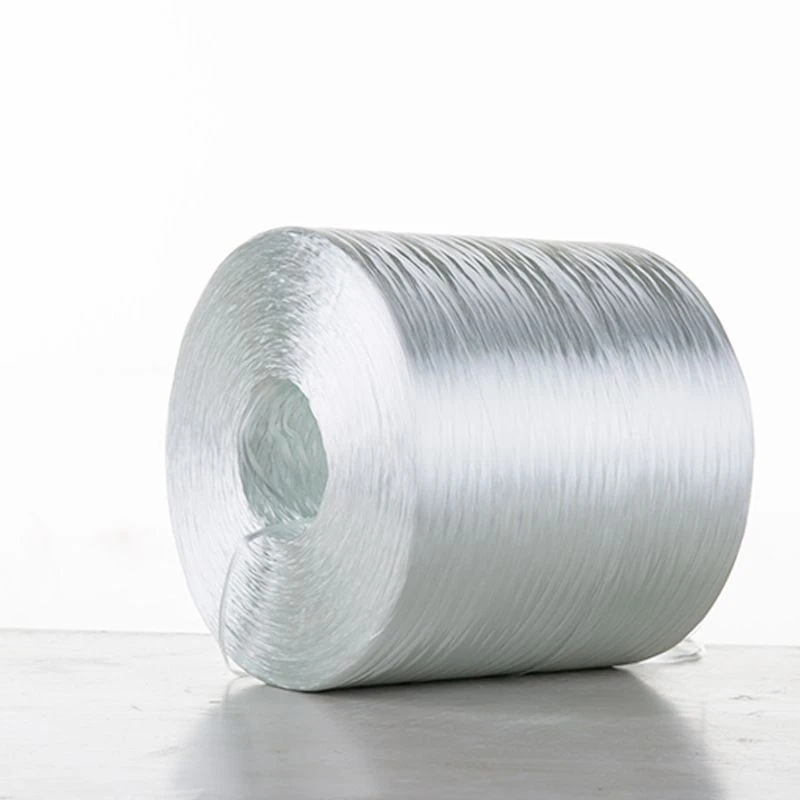
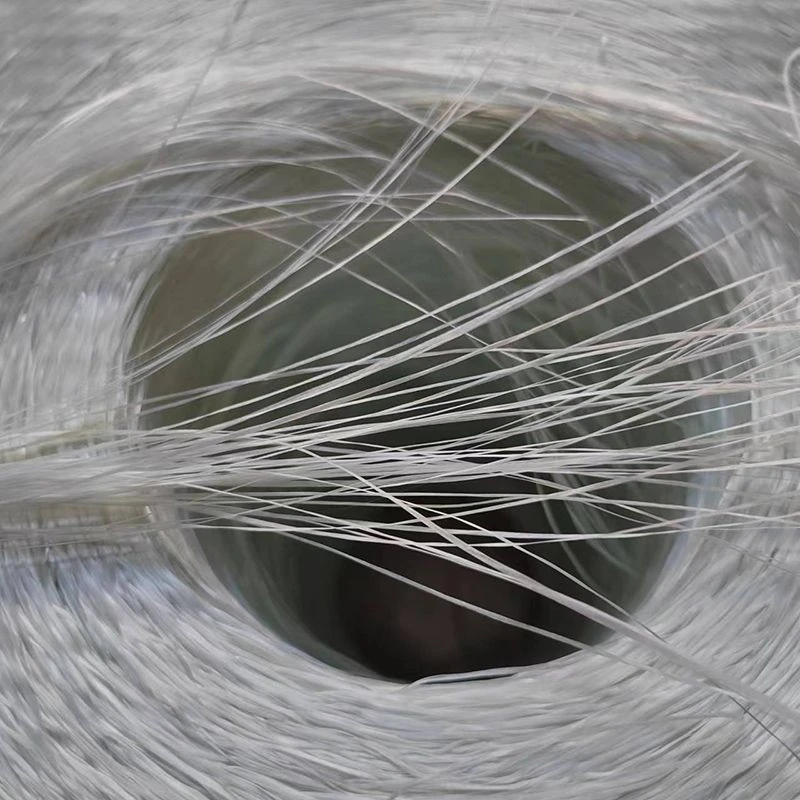
Before we explore the recycling process, it's essential to understand what Alkali Resistant Mesh Yarn is. Alkali Resistant Mesh Yarn is typically made from fiberglass, which is treated to resist the corrosive effects of alkalis commonly found in cement and other construction materials. This treatment ensures that the mesh maintains its strength and integrity over time, making it an ideal choice for reinforcing structures such as external insulation finishing systems (EIFS), plasterboards, and concrete.
There are different types of fiberglass yarns used in the production of Alkali Resistant Mesh Yarn, including Glass Fiber Thread, Fiberglass Yarn for Mesh, E-Glass Fiberglass Yarn, Fiberglass Mesh Yarn, and Fiberglass Yarn for EIFS Mesh. Each type has its unique properties and applications, but they all share the common characteristic of being alkali-resistant.
The Recycling Process of Alkali Resistant Mesh Yarn
The recycling process of Alkali Resistant Mesh Yarn can be complex, as it involves several steps to ensure that the recycled material meets the required quality standards. Here is a detailed breakdown of the typical recycling process:
1. Collection and Sorting
The first step in the recycling process is the collection of used Alkali Resistant Mesh Yarn. This can come from various sources, such as construction sites, manufacturing plants, and end-of-life products. Once collected, the mesh yarn needs to be sorted to remove any contaminants, such as dirt, dust, and other non-fiberglass materials. Sorting is crucial to ensure that the recycled material is of high quality and free from impurities that could affect its performance.
2. Shredding and Grinding
After sorting, the Alkali Resistant Mesh Yarn is shredded into smaller pieces to facilitate further processing. Shredding reduces the size of the mesh yarn, making it easier to handle and increasing the surface area for subsequent treatment. The shredded material is then ground into a fine powder, which can be used as a raw material for new products.
3. Chemical Treatment
The next step in the recycling process is chemical treatment. This involves treating the ground powder with chemicals to remove any remaining impurities and to improve its properties. Chemical treatment can also enhance the alkali resistance of the recycled material, ensuring that it meets the same standards as the original product.
4. Melting and Reforming
Once the chemical treatment is complete, the recycled powder is melted and reformed into new Alkali Resistant Mesh Yarn. This process typically involves heating the powder to a high temperature until it melts, and then extruding it through a spinneret to form new yarns. The new yarns are then cooled and wound onto spools for further processing.
5. Quality Testing
Before the recycled Alkali Resistant Mesh Yarn is ready for use, it needs to undergo rigorous quality testing to ensure that it meets the required standards. Quality testing can include checks for strength, durability, alkali resistance, and other properties. Only after passing these tests can the recycled material be used in the production of new products.
Benefits of Recycling Alkali Resistant Mesh Yarn
Recycling Alkali Resistant Mesh Yarn offers several benefits, both from an environmental and economic perspective. Here are some of the key advantages:
1. Environmental Sustainability
Recycling helps to reduce the amount of waste sent to landfills, conserving natural resources and reducing the environmental impact of the fiberglass industry. By reusing existing materials, we can minimize the need for new production, which requires significant amounts of energy and raw materials.
2. Cost Savings
Recycling can also result in cost savings for manufacturers and consumers. By using recycled materials, manufacturers can reduce their production costs, which can be passed on to consumers in the form of lower prices. Additionally, recycling can help to reduce the cost of waste management, as less waste needs to be disposed of.
3. Resource Conservation
Recycling Alkali Resistant Mesh Yarn helps to conserve valuable resources, such as fiberglass and other raw materials. By reusing these materials, we can extend their lifespan and reduce the demand for new resources, which is essential for a sustainable future.
Challenges in Recycling Alkali Resistant Mesh Yarn
While recycling Alkali Resistant Mesh Yarn offers many benefits, there are also several challenges that need to be addressed. Here are some of the key challenges:
1. Contamination
One of the biggest challenges in recycling Alkali Resistant Mesh Yarn is contamination. The mesh yarn can be contaminated with various substances, such as dirt, dust, and chemicals, which can affect the quality of the recycled material. Removing these contaminants can be difficult and time-consuming, requiring advanced sorting and cleaning techniques.
2. Technical Complexity
The recycling process of Alkali Resistant Mesh Yarn is technically complex, requiring specialized equipment and expertise. This can make it challenging for some recyclers to implement the process effectively, especially in developing countries where resources and technology may be limited.
3. Market Demand
Another challenge is the limited market demand for recycled Alkali Resistant Mesh Yarn. Some manufacturers may be hesitant to use recycled materials due to concerns about quality and performance. To overcome this challenge, it is essential to educate the market about the benefits of recycled materials and to demonstrate their quality and reliability.
Conclusion
Recycling Alkali Resistant Mesh Yarn is an important step towards a more sustainable future. By understanding the recycling process and the benefits it offers, we can encourage more manufacturers and consumers to embrace recycling and reduce the environmental impact of the fiberglass industry. As a supplier of Alkali Resistant Mesh Yarn, I am committed to promoting sustainable practices and providing high-quality recycled products to meet the needs of our customers.
If you are interested in purchasing Alkali Resistant Mesh Yarn or would like to learn more about our recycling process, please feel free to contact us. We would be happy to discuss your requirements and provide you with more information.
References
- "Fiberglass Recycling: Technologies and Applications." Journal of Composite Materials.
- "Alkali Resistant Fiberglass Mesh: Properties and Applications." Construction and Building Materials.
- "Sustainable Fiberglass Production and Recycling." Environmental Science and Technology.
Send Inquiry