


How to store glass fiber tissue properly?
Oct 29, 2026
Leave a message
Hey there! As a supplier of Glass Fiber Tissue, I've seen firsthand how important it is to store this stuff properly. In this blog post, I'm gonna share some tips on how to do just that.
First off, let's talk about why proper storage matters. Glass fiber tissue is a delicate material, and if it's not stored correctly, it can get damaged. This can lead to issues like fraying, tearing, or even contamination, which can affect the quality of the final product. So, by storing it properly, you're not only protecting your investment but also ensuring that your customers get the best possible product.
Temperature and Humidity Control
The first thing you need to consider when storing glass fiber tissue is the temperature and humidity of the storage area. Glass fiber tissue is sensitive to both heat and moisture, so you want to keep it in a cool, dry place. Ideally, the temperature should be between 50°F and 70°F (10°C and 21°C), and the relative humidity should be below 60%.
If the temperature gets too high, the fibers can start to break down, which can weaken the tissue. On the other hand, if the humidity is too high, the tissue can absorb moisture, which can cause it to become stiff and brittle. So, make sure you have a good climate control system in place, or at least try to store the tissue in an area that's not exposed to extreme temperatures or humidity.
Protection from Physical Damage
Another important factor to consider is protecting the glass fiber tissue from physical damage. This means keeping it away from sharp objects, heavy machinery, and other things that could potentially tear or puncture the tissue. You should also avoid stacking heavy objects on top of the tissue, as this can cause it to compress and become deformed.
One way to protect the tissue is to store it in a dedicated storage area, such as a rack or a cabinet. This will help keep it organized and prevent it from getting knocked around. You can also use protective packaging, such as plastic bags or cardboard boxes, to further protect the tissue from damage.
Avoiding Contamination
Contamination is another big issue when it comes to storing glass fiber tissue. The tissue can easily pick up dust, dirt, and other contaminants, which can affect its quality. To avoid this, make sure you keep the storage area clean and free of debris. You should also wear gloves when handling the tissue to prevent oils and dirt from your hands from transferring to the tissue.
If you're storing the tissue in a shared storage area, make sure it's separated from other materials that could potentially contaminate it. For example, you don't want to store the tissue next to chemicals or other substances that could react with it.
Proper Handling and Storage of Rolls
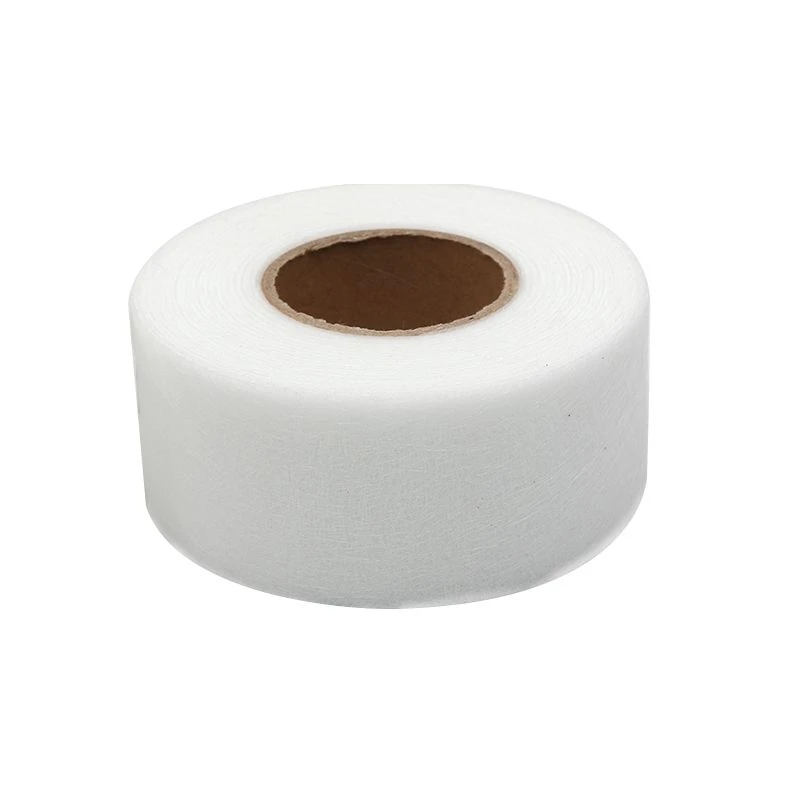
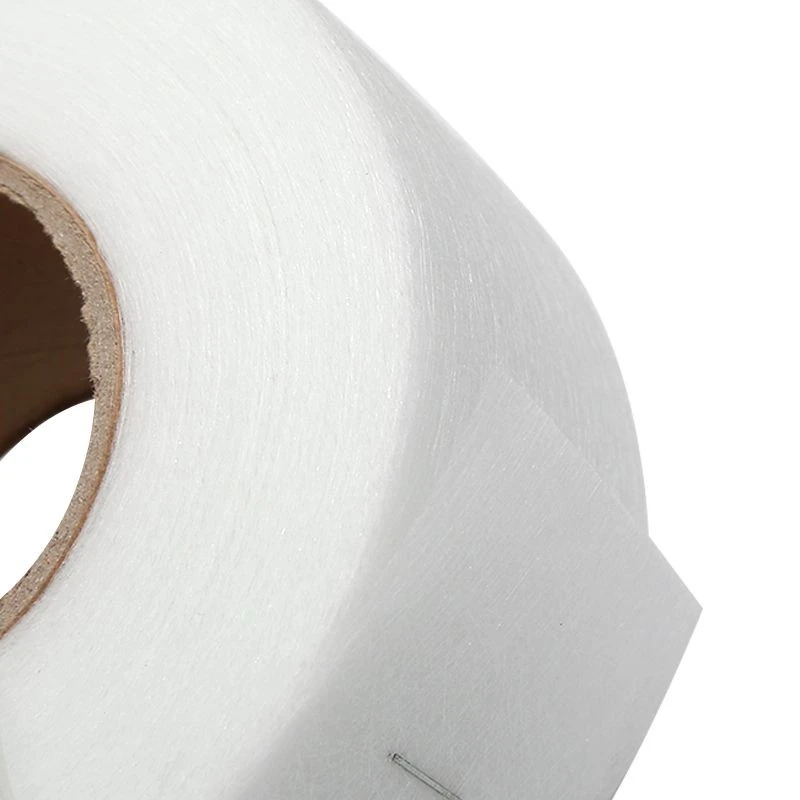
Most glass fiber tissue is stored in rolls, so it's important to handle and store these rolls properly. When handling the rolls, make sure you lift them carefully and avoid dropping or dragging them. You should also make sure the rolls are stored in a horizontal position, as storing them vertically can cause the tissue to stretch and become deformed.
When storing the rolls, make sure they're stacked in a stable manner and that they're not touching each other. This will help prevent the tissue from rubbing against each other and causing damage. You should also make sure the rolls are stored in a way that allows for easy access, so you can quickly and easily retrieve the tissue when you need it.
Specific Storage Considerations for Different Types of Glass Fiber Tissue
There are several different types of glass fiber tissue, each with its own unique properties and storage requirements. Here are some specific storage considerations for some of the most common types of glass fiber tissue:
- Fiberglass Surfacing Veil: This type of glass fiber tissue is very thin and delicate, so it's especially important to handle it carefully. It should be stored in a cool, dry place and protected from physical damage and contamination.
- Fiberglass Surface Mat: Fiberglass surface mat is a thicker and more durable type of glass fiber tissue, but it still needs to be stored properly. It should be stored in a cool, dry place and protected from physical damage and contamination.
- Fiberglass Tissue Mat: Fiberglass tissue mat is similar to fiberglass surface mat, but it's usually made from a finer grade of glass fiber. It should be stored in a cool, dry place and protected from physical damage and contamination.
- Decorative Fiberglass Mat: Decorative fiberglass mat is often used for aesthetic purposes, so it's important to keep it looking its best. It should be stored in a cool, dry place and protected from physical damage and contamination.
- Fiberglass Surface Tissue: Fiberglass surface tissue is a very thin and lightweight type of glass fiber tissue. It should be stored in a cool, dry place and protected from physical damage and contamination.
Regular Inspections
Finally, it's important to regularly inspect your stored glass fiber tissue to make sure it's still in good condition. Check for any signs of damage, such as fraying, tearing, or discoloration. If you notice any issues, take steps to address them immediately, such as replacing the damaged tissue or adjusting your storage conditions.
By following these tips, you can ensure that your glass fiber tissue is stored properly and that it stays in good condition until it's ready to be used. If you have any questions or need more information about storing glass fiber tissue, don't hesitate to reach out. We're here to help you get the most out of your glass fiber tissue products.
If you're in the market for high-quality glass fiber tissue, we'd love to talk to you. We offer a wide range of products, including Fiberglass Surfacing Veil, Fiberglass Surface Mat, Fiberglass Tissue Mat, Decorative Fiberglass Mat, and Fiberglass Surface Tissue. Contact us today to start a conversation about your specific needs and how we can help you.
References
- Industry best practices for glass fiber product storage
- Manufacturer's guidelines for glass fiber tissue storage
Send Inquiry